
Last updated October 15, 2026
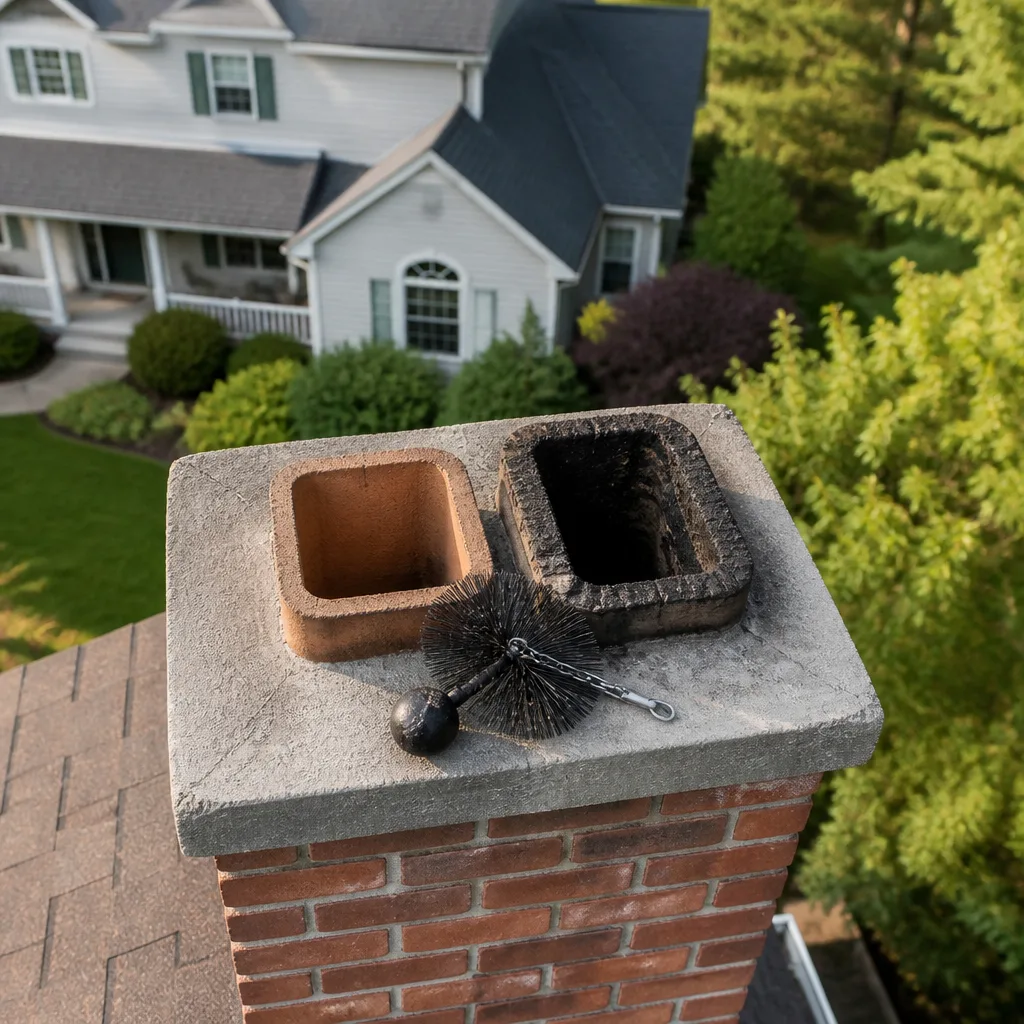 Sweep & inspection
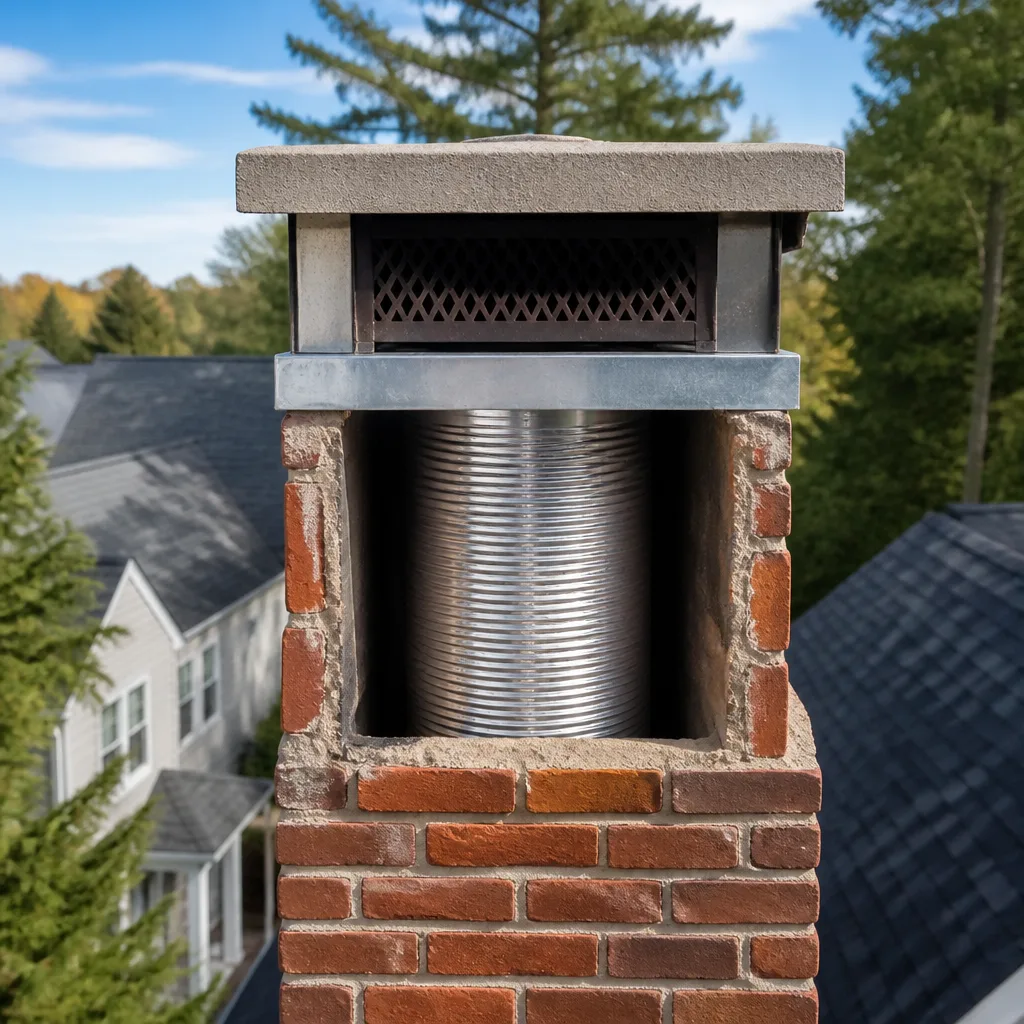 Flue relining
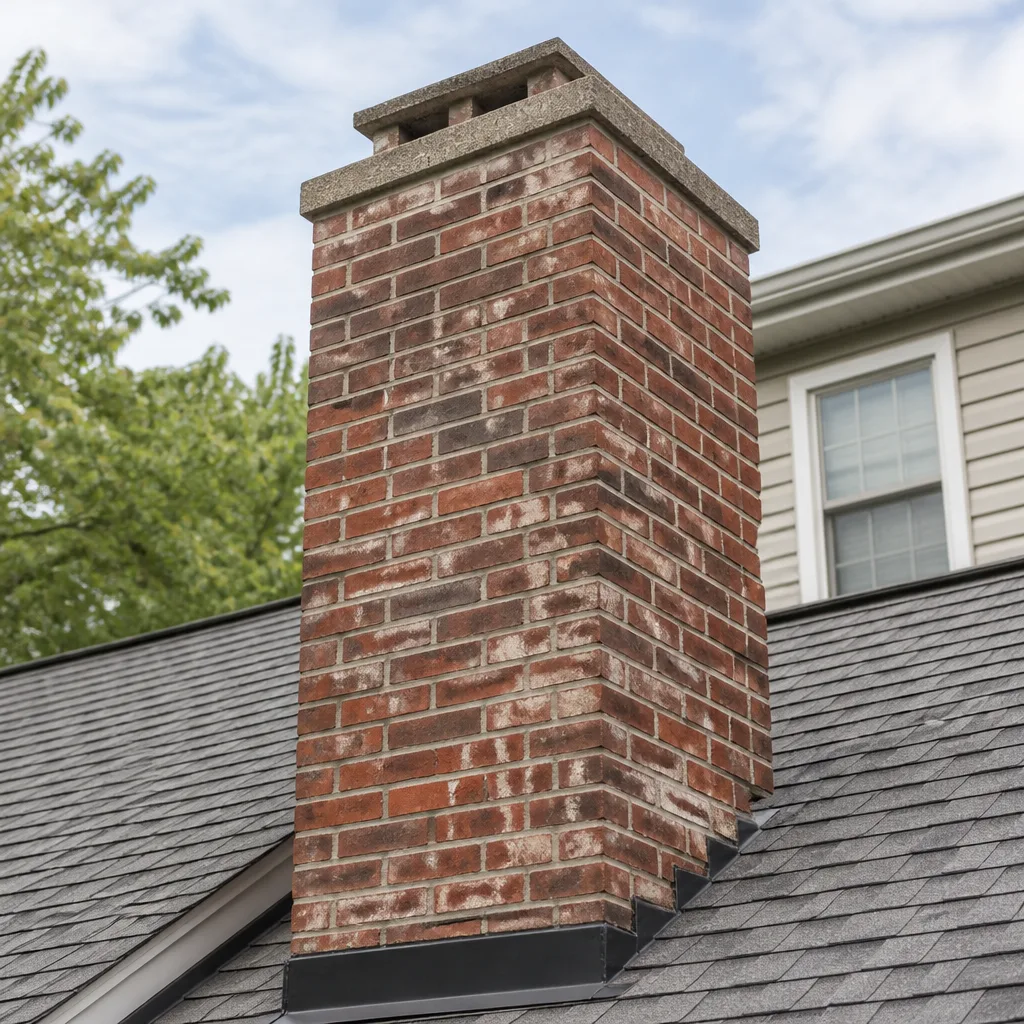 Masonry repair
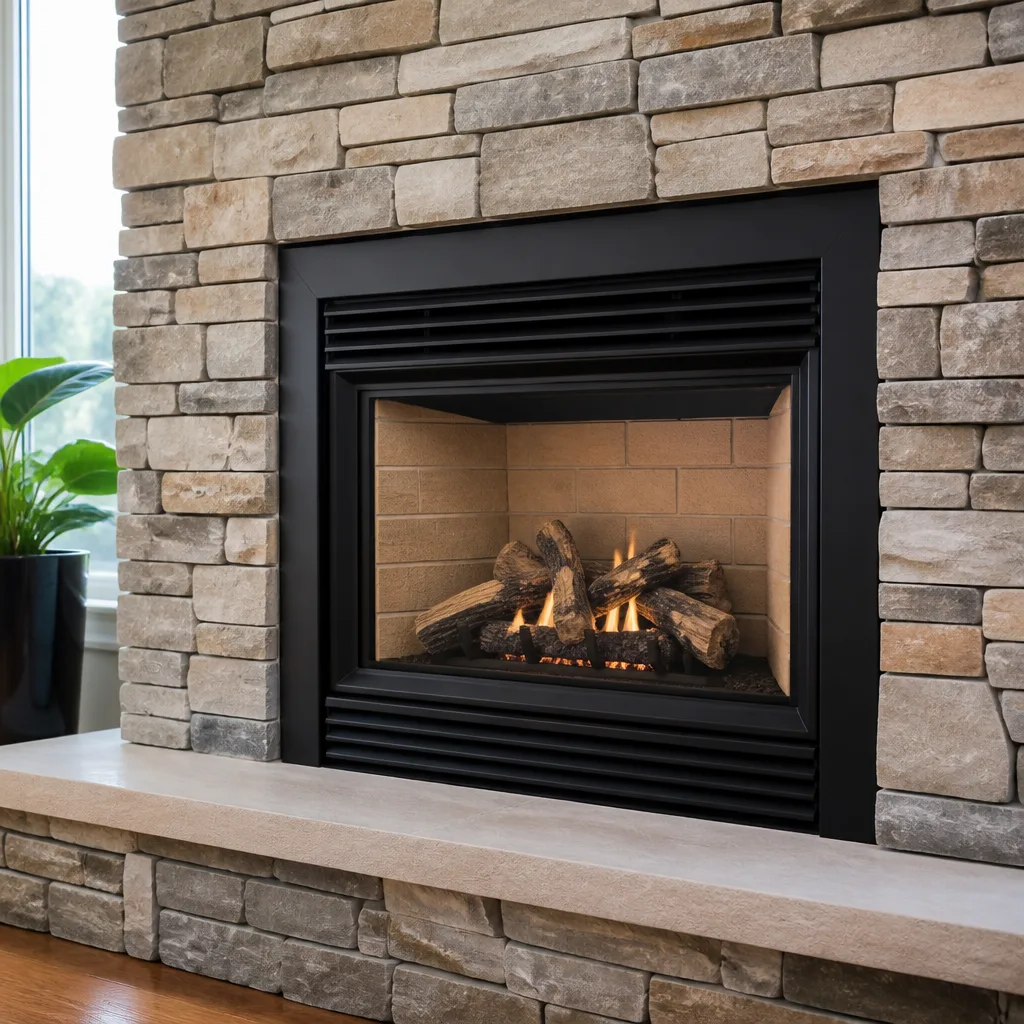 Gas fireplace service
Level 1 sweep and inspection to the NFPA 211 annual standard - flue, crown, cap, and flashing checked and photographed
Chimney sweep logs do not sweep chimneys. They loosen some creosote - which then falls where a brush and vacuum still have to collect it.
DIY vs Professional Chimney Cleaning: The Orlando Homeowner’s Decision Guide
You can buy a chimney brush kit on Amazon for about $40, watch a 20-minute YouTube tutorial, and clean a one-story Orlando chimney yourself this weekend. The physical act of sweeping isn’t complicated. What’s complicated is everything that happens after the brush comes out. Creosote removal is straightforward. Knowing whether the stainless steel liner behind that creosote has a crack running through its seam, or whether the clay flue tiles have started spalling into the smoke chamber, is not. That’s where the real decision lives for Orlando homeowners, and this guide covers both sides of it honestly.
Quick Answer
DIY chimney cleaning works as a stopgap for surface-level creosote removal and ash cleanup, but it cannot replace the diagnostic layer of a professional sweep, especially the camera inspection that sees the full liner length. In Orlando, where humidity accelerates masonry damage and chimney swifts nest in flues from April through October, most homeowners are better served by a hybrid approach: DIY maintenance between professional inspections, never instead of them. If you use your fireplace more than a couple times a year, the inspection is the part you’re actually paying for.
Styles & brands we work with
Table of Contents
- What DIY Chimney Cleaning Can Actually Accomplish
- What DIY Chimney Cleaning Cannot Do
- The Liner Problem: Why the Part You Can’t See Is the Part That Matters
- What a Credible DIY Sweep Actually Requires in Orlando
- The Florida Complication: Chimney Swifts Are Federally Protected
- The Hybrid Approach: DIY Maintenance Without Skipping the Diagnostic Layer
- What a Camera Inspection Sees That a Flashlight Can’t
- What Professional Chimney Cleaning Costs in Orlando
What DIY Chimney Cleaning Can Actually Accomplish
Let’s start with what’s realistic. A homeowner with a basic wire brush kit, a shop vacuum, and a ladder can remove Stage 1 and Stage 2 creosote from the accessible surfaces of a masonry chimney. Creosote (the flammable tar buildup that makes chimneys a fire risk) forms in three stages. Stage 1 is dusty soot. Stage 2 is the flaky, crusty layer that looks like burnt coffee grounds. Stage 3 is the glossy, tar-like glaze that bonds to the flue walls. A stiff-bristle brush handles Stages 1 and 2 on a smooth clay tile liner. Stage 3 typically requires chemical treatments or professional rotary tools, and a homeowner with a $40 brush kit isn’t making a meaningful dent in it.
Here’s what a careful DIY sweep can reasonably accomplish on a one-story Orlando home:
- Remove loose soot and Stage 1 creosote from the flue lining
- Scrape off Stage 2 creosote deposits with a properly sized wire brush
- Clean the firebox and remove accumulated ash
- Visually confirm the damper opens and closes correctly
- Spot obvious obstructions near the top of the flue, like leaves or a visible nest
That’s a legitimate maintenance contribution. If your fireplace sees occasional use, three or four fires a winter, an annual DIY brush-out between professional inspections keeps things moving. The mistake is treating that as the whole job.
What DIY Chimney Cleaning Cannot Do
The limitation isn’t skill, it’s equipment. No amount of careful brushing gives you a view of the middle third of your chimney liner. The flue is a dark, narrow shaft that runs from your firebox through the center of your home to the roof. From the top, you can see the first foot or two with a flashlight. From the bottom, you can see up into the throat of the chimney. Everything between those two points is invisible to the naked eye.
- Camera inspection of the full liner length. Professional chimney companies run a waterproof camera through the entire flue and record the footage. You see every seam, every crack, every separated tile joint in real time.
- Identification of Stage 3 glazed creosote. The hard, shiny buildup looks similar to Stage 2 in a flashlight beam. Pros recognize the difference because they’ve seen it hundreds of times, and the treatment for glaze is different: chemical removers or rotary cleaning heads, not a standard brush.
- Detection of hidden blockages. A partial blockage from a degrading clay tile, animal debris, or a collapsed liner section often sits 10 to 15 feet down the flue, invisible from both access points.
- Smoke chamber inspection. The smoke chamber is the angled area above the firebox that transitions into the flue. It’s notoriously hard to access and a common spot for creosote buildup and cracked mortar joints.
- Verification that the chimney meets current code. Orlando and surrounding Orange County enforce the Florida Building Code, which incorporates NFPA 211 standards for chimneys. A professional knows what a compliant installation looks like. A homeowner with a brush doesn’t.
Call us at (904) 822-8172 if you want the camera footage after it’s done. You should always get it; we include it in every chimney sweep in Orlando we perform.
The Liner Problem: Why the Part You Can’t See Is the Part That Matters
The flue liner is the single most important safety component in your chimney system, and it’s the one component a DIY sweep can’t evaluate. A liner’s job is simple: it contains heat, directs smoke upward, and protects the combustible materials in your home’s walls from the 1,000-plus-degree temperatures inside the flue. When a liner fails, the failure mode is invisible until it’s serious. If the liner is safe, creosote accumulation becomes a housekeeping issue. If the liner is compromised, it becomes a structural fire risk, and the decision point shifts from “when to sweep” to “how urgently to reline.”
Most Orlando homes built before the 1990s have clay tile liners. Clay tiles crack for several reasons: thermal stress from repeated heating and cooling cycles, shifting foundations in Florida’s sandy soil, water intrusion during hurricane season, and simple age. When a tile cracks, it creates a gap where heat and gases can reach the brickwork behind it. Gaps also trap creosote, concentrating the most flammable material precisely where the liner has already failed.
This is the core argument for professional inspection. The brush takes care of the surface. The camera tells you whether the surface matters. And in our experience across metro Orlando, more than a few homes in older neighborhoods like College Park and Winter Park sit on clay tile liners that are 30-plus years old and have never been evaluated. The owners clean them because they look dirty, but the real issue is the hairline crack 12 feet down the flue.
What a Credible DIY Sweep Actually Requires in Orlando
If you’re going to do the job, do it with the right equipment. A brush that doesn’t fit your flue either doesn’t clean it (too small) or gets jammed halfway down (too large). A vacuum without a HEPA filter fills your living room with fine particulates. A ladder that doesn’t reach safely means you’re working at an angle, and gravity doesn’t cooperate around rooflines.
Here’s the minimum kit for a one-story Orlando home with a standard clay tile flue:
- Chimney brush sized to your flue. Measure the interior width and height of your flue tile before ordering. A 8×8 brush in a 8×12 flue leaves two inches of creosote on each side.
- Fiberglass extension rods. Flexible fiberglass rods connect to the brush and let you work from the top down. You need enough rod length to reach the full flue height plus a few feet.
- Drop cloths and a HEPA-filtered shop vacuum. Standard shop vacs blow fine ash back into the room. A HEPA filter or an external exhaust setup is non-negotiable.
- Plastic sheeting and painter’s tape. Seal the fireplace opening before you start. Creosote dust is acidic and stains.
- Safety glasses and an N95 respirator. Creosote dust is an irritant and a known skin sensitizer. You don’t want it in your lungs or eyes.
- A roof harness or at minimum a stable roof ladder. Orlando homes with tile or metal roofs are slippery, especially after morning dew. Working on a roof edge without secure footing is how chimney DIY projects end badly.
If your Orlando home has a two-story chimney, the calculus changes. You’re now 25 to 35 feet up, working with extension rods that flex and whip in the wind, and the consequences of a fall go from sprained-ankle territory to hospital territory. We don’t recommend DIY sweeps on two-story chimneys at all. The brush kit costs the same, but the risk profile changes entirely.
The Florida Complication: Chimney Swifts Are Federally Protected
Here’s the fact most DIY guides miss entirely. Chimney swifts are small migratory birds protected under the federal Migratory Bird Treaty Act. They nest almost exclusively in chimneys. Florida sits directly on their migration route, and their nesting season runs roughly April through October. If you disturb, remove, or destroy an active swift nest, you’re looking at federal penalties. Those penalties have applied to unknowing homeowners before.
How do you know if birds are nesting in your chimney? You’ll hear chirping sounds from the flue. You may see swifts flying in and out near the roofline at dusk. The nest itself is made of small twigs glued to the flue wall with the birds’ saliva, and it’s usually positioned 5 to 10 feet below the flue opening. A homeowner who brushes from the top down during nesting season will destroy the nest and the eggs or chicks inside. That’s a serious legal problem, and it’s also a chimney function problem: a destroyed nest falling into the smoke chamber can partially block the flue, which creates carbon monoxide risk when the fireplace is used again.
Professional chimney companies in Orlando know this. We check for swifts before starting any sweep, and we schedule non-emergency work outside the active nesting season when birds are present. If you’re DIYing and you hear birds, close the damper, delay the sweep until the birds have fledged, and don’t use the fireplace in the meantime. If you must use the chimney, contact a professional who can verify any nest is inactive and can address the obstruction safely. This is one area where the law and the ladder both argue against the do-it-yourself approach.
The Hybrid Approach: DIY Maintenance Without Skipping the Diagnostic Layer
The smartest Orlando homeowners we talk to aren’t choosing between DIY and professional cleaning. They’re sequencing them. See our Seasonal Chimney Cleaning Care for Orlando for timing guidance, and here’s the hybrid model that saves money without skipping the part that keeps your home safe:
- Get a professional inspection and cleaning once a year. This establishes a baseline. The tech documents the liner condition, records creosote levels, takes photos, and notates anything that needs watching. You now know exactly what you’re working with. At Hadley, this includes before-and-after photo documentation and a written report you can pull up on your phone, part of the Hadley Chimney Orlando home service standard.
- Use your fireplace and note how it behaves. Smoke rolls back into the room? Draft feels weak? You smell soot in the house days after a fire? These are data points for the next inspection, not things you fix with a brush.
- Do a light brush-out yourself at the six-month mark if you’re burning regularly. A quick top-down sweep with a correctly sized brush removes Stage 1 and some Stage 2 creosote. This extends the interval between professional cleanings and keeps things from consolidating.
- Schedule the next professional visit with the camera running. The camera is the comparison tool. Last year’s footage versus this year’s footage shows whether a crack is growing, whether creosote is accumulating faster than expected, or whether everything is stable. A homeowner with a flashlight cannot produce this comparison.
This approach means you’re spending on the diagnostic layer once a year, not on repeated full-service visits. But you’re also not flying blind. If the camera found a Stage 2 creosote layer in March and you brushed in September, the next camera run confirms whether your DIY maintenance made a difference. If it didn’t, you adjust. If it did, you’ve saved one or two professional sessions a year.
What a Camera Inspection Sees That a Flashlight Can’t
When we finish sweeping, we run a camera through the full liner length. The footage is what actually tells you whether your chimney is safe to use. Here’s what that footage shows in plain terms, because homeowners deserve to understand what they’re looking at.
A healthy clay tile liner on camera looks like a clean tunnel with crisp, evenly spaced horizontal lines. Those lines are the joints between individual tiles, and they should be tight, with no gaps and no disruption. A stainless steel liner like the ones we install using DuraFlex or Famco systems looks like a smooth metallic tube with visible seam welds that should be uniform and continuous. A liner with no damage produces a recognizable visual pattern, and once you’ve seen a healthy flue on camera, you recognize it.
Now the problems. A cracked clay tile shows as a dark line running vertically or diagonally through the tile face. A separated tile joint looks like a wide, dark gap where two tiles have pulled apart; you can see mortar crumbs below the gap. Spalling, the process where clay tiles flake off in layers, looks like chunks of debris sitting at the bottom of the flue with rough, pitted surfaces above them. Glazed creosote appears as a shiny, caramel-colored coating that reflects the camera light differently than matte soot. A partial blockage just looks like the tunnel ending prematurely, often because a dislodged tile or years of fine creosote dust has consolidated into a plug.
Every finding is timestamped and photographed. The report you get at the end includes stills from the footage and plain-language notes on what each still shows. If something can wait, we say so. We’ve told many Orlando homeowners that their chimneys need nothing but a cleaning and a recheck next year. But when a liner is compromised, the photos show exactly what we’re looking at, and the recommendation comes with evidence, not a vague warning.
What Professional Chimney Cleaning Costs in Orlando
Chimney sweeps in Orlando typically run $150 to $350, though the most common range we see for a standard one-story masonry fireplace with a clay tile liner is $175 to $275. Two-story chimneys with roof access issues land at the higher end. Here’s a breakdown of what drives the price:
- Standard sweep: $150 – $275. Includes the full brushing, ash removal, damper check, and a visual inspection of accessible components.
- Standard sweep plus camera inspection: $225 – $350. The camera run is the diagnostic layer. Some companies charge it as an add-on; Hadley includes full camera documentation in every sweep as part of the Relay Visibility Guarantee.
- Glazed creosote removal: $350 – $650. Stage 3 creosote requires chemical treatment (like Gelco products) or rotary cleaning heads, both of which add time and materials.
- Chimney cap replacement or installation: $150 – $400. If your chimney lacks a cap (common on older Orlando homes), installing one from Copperfield keeps rain, birds, and debris out. It’s one of the highest-value repairs we recommend because it prevents so many downstream problems.
- Liner inspection findings that require correction: If the camera finds a failed liner, relining with a HeatShield or DuraFlex system runs $2,500 to $6,000 depending on flue length and access. That sounds expensive because it is. But it’s the difference between a functional chimney and a masonry firebox you shouldn’t use. If the repair isn’t urgent, we’ll tell you that plainly and note it for monitoring.
Every quote from our Orlando chimney repair team is written before work starts. No surprise charges at the door, no “while I’m up here” additions. If the camera shows something that needs attention, you get photos and a line-item price before any work is authorized. If the repair fails, the 365-Day Done Right Promise covers a return visit at no charge. That’s the standard, not a promotional offer.
Common Mistakes to Avoid
- Sweeping during chimney swift nesting season without checking. April through October is active nesting time in Orlando. Birds in the flue mean federal protection applies. If you hear chirping, stop and wait.
- Using a brush that doesn’t match your flue dimensions. Too small and you’re wasting your time; too large and you’re jammed 10 feet down. Measure the flue tile before you order anything.
- Skipping the rooftop safety gear on a one-story home because it “feels low.” A one-story fall onto concrete is still a hospital visit. Tile roofs in Florida are slippery with morning condensation.
- Treating a sweep as a substitute for an inspection. The brush cleans the surface; the camera evaluates the system. These are different jobs, and one doesn’t replace the other.
- Assuming creosote buildup is the only fire risk. A cracked liner with moderate creosote is more dangerous than a clean liner with heavy creosote. The crack is the problem.
- Not sealing the fireplace opening before sweeping. Creosote dust travels. Seal the opening with poly sheeting and tape before the brush goes in, or you’ll be cleaning soot off every surface in the room.
- Ignoring weak draft as a “quirky fireplace.” In Orlando’s humid climate, draft issues often signal a flue obstruction or a liner problem, not just a weather condition. If smoke rolls back into the room, stop using the fireplace until it’s evaluated.
See the difference
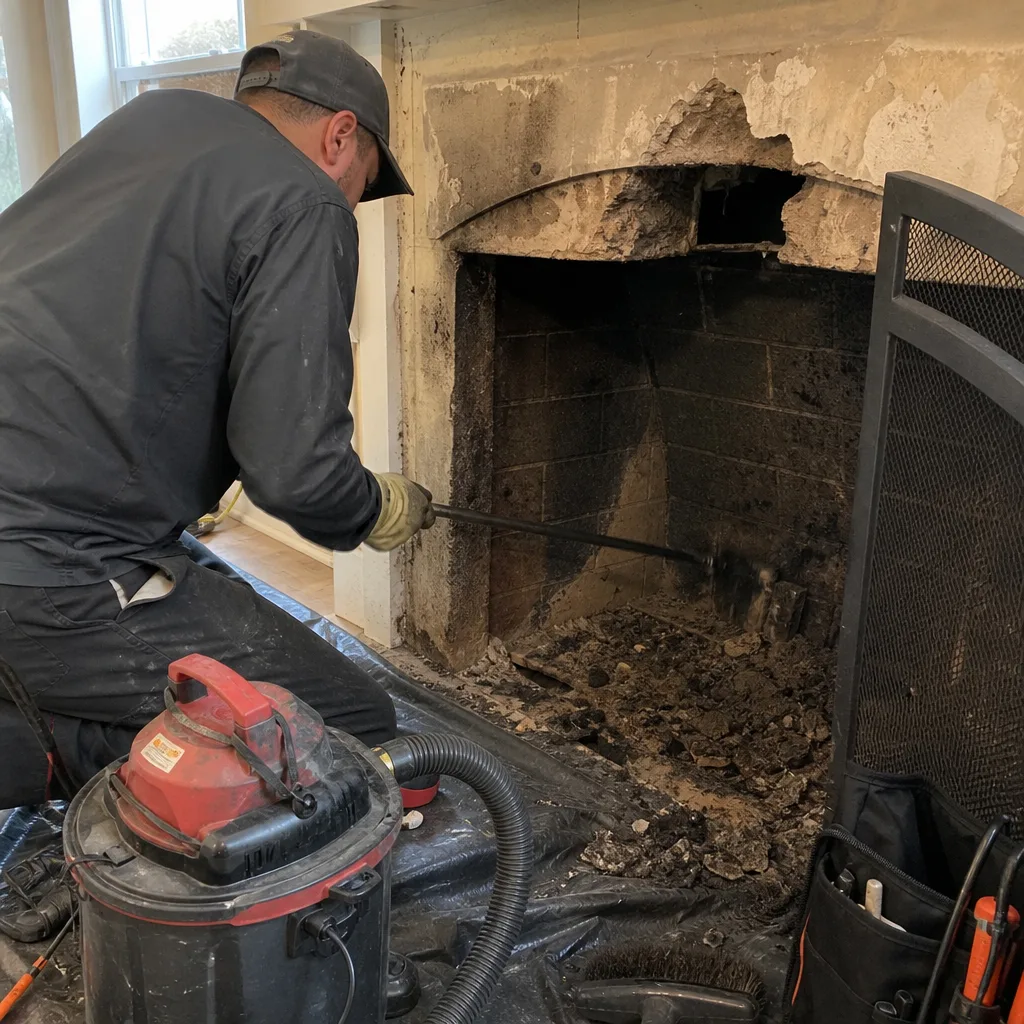 Before
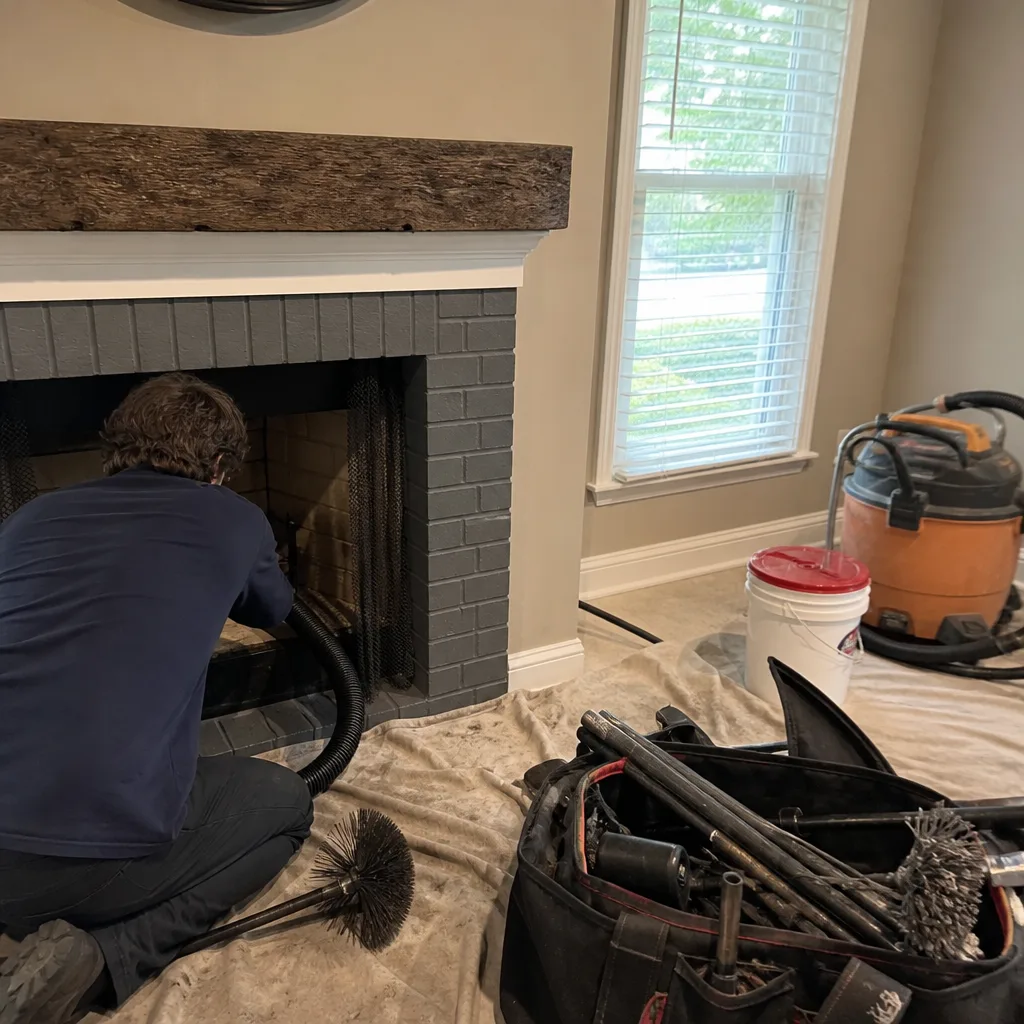 After
After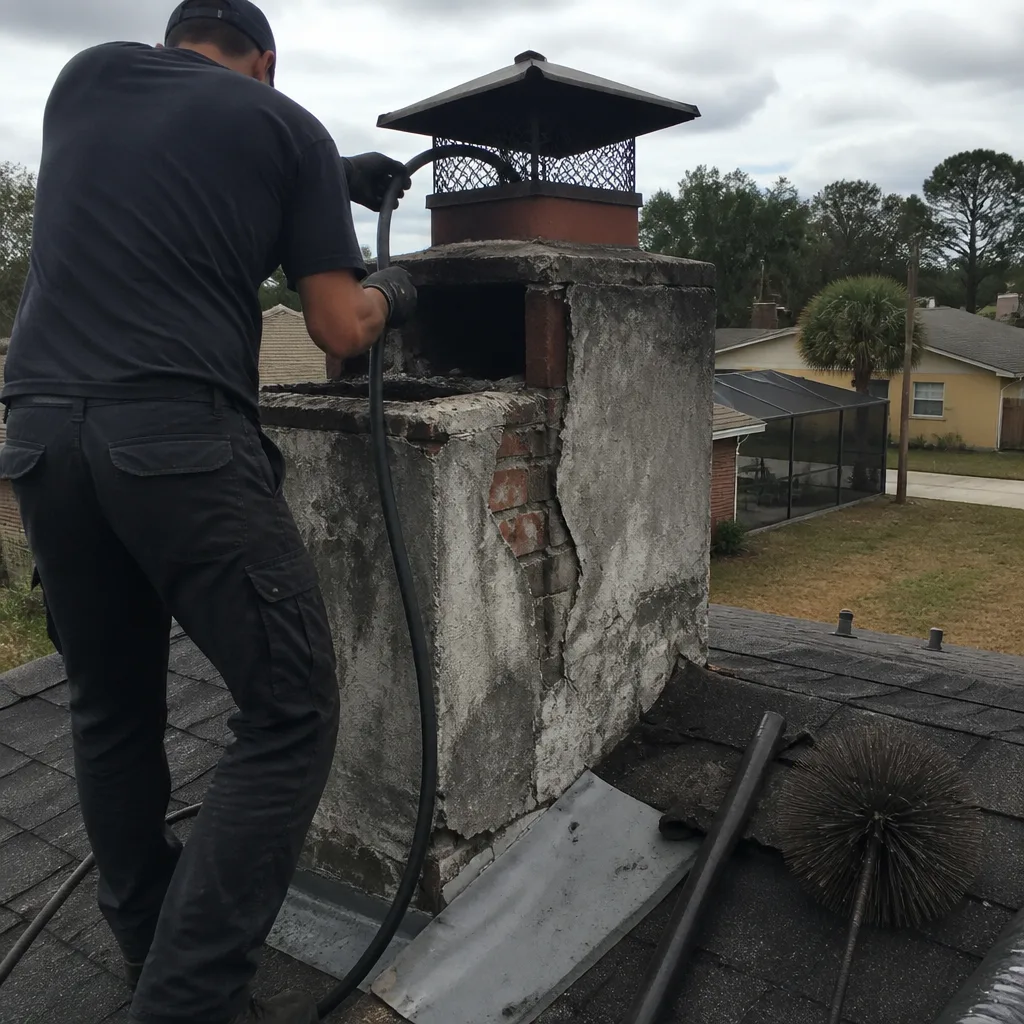 Before
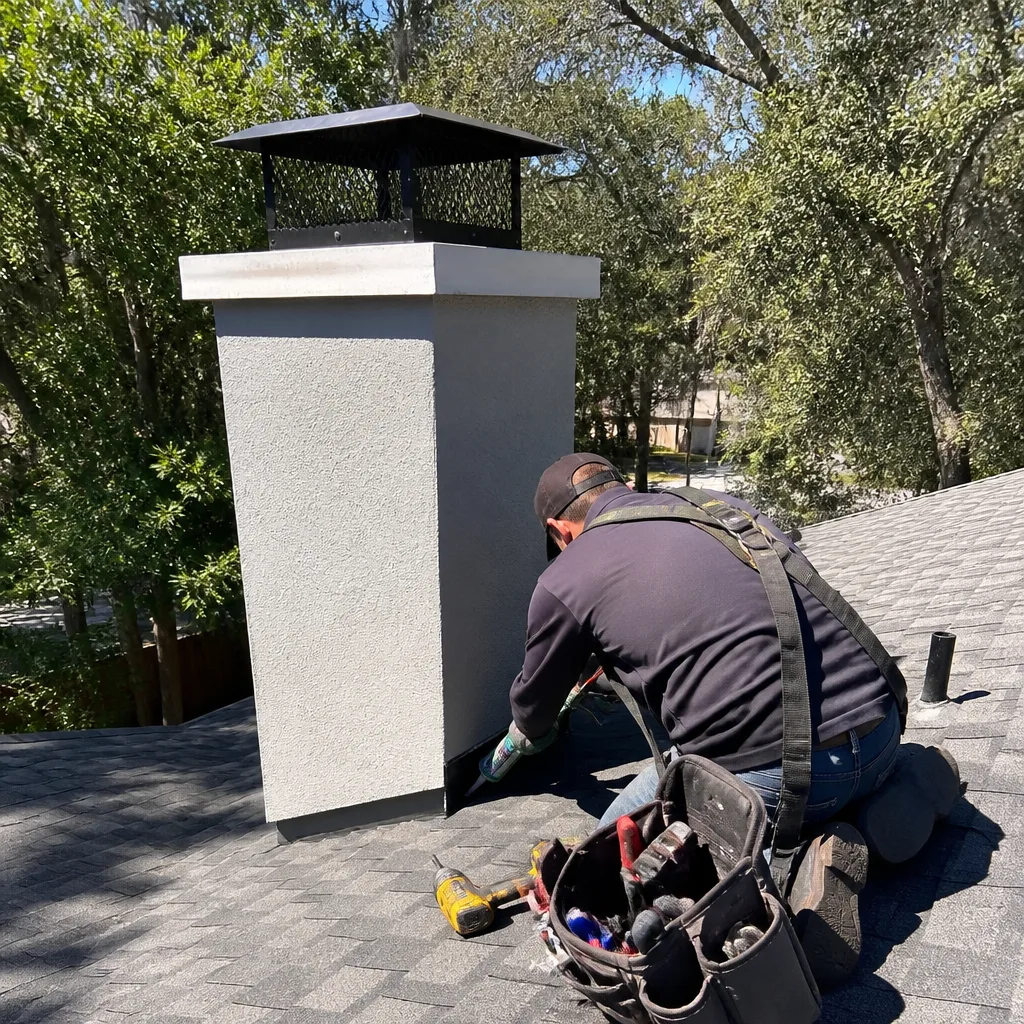 After
After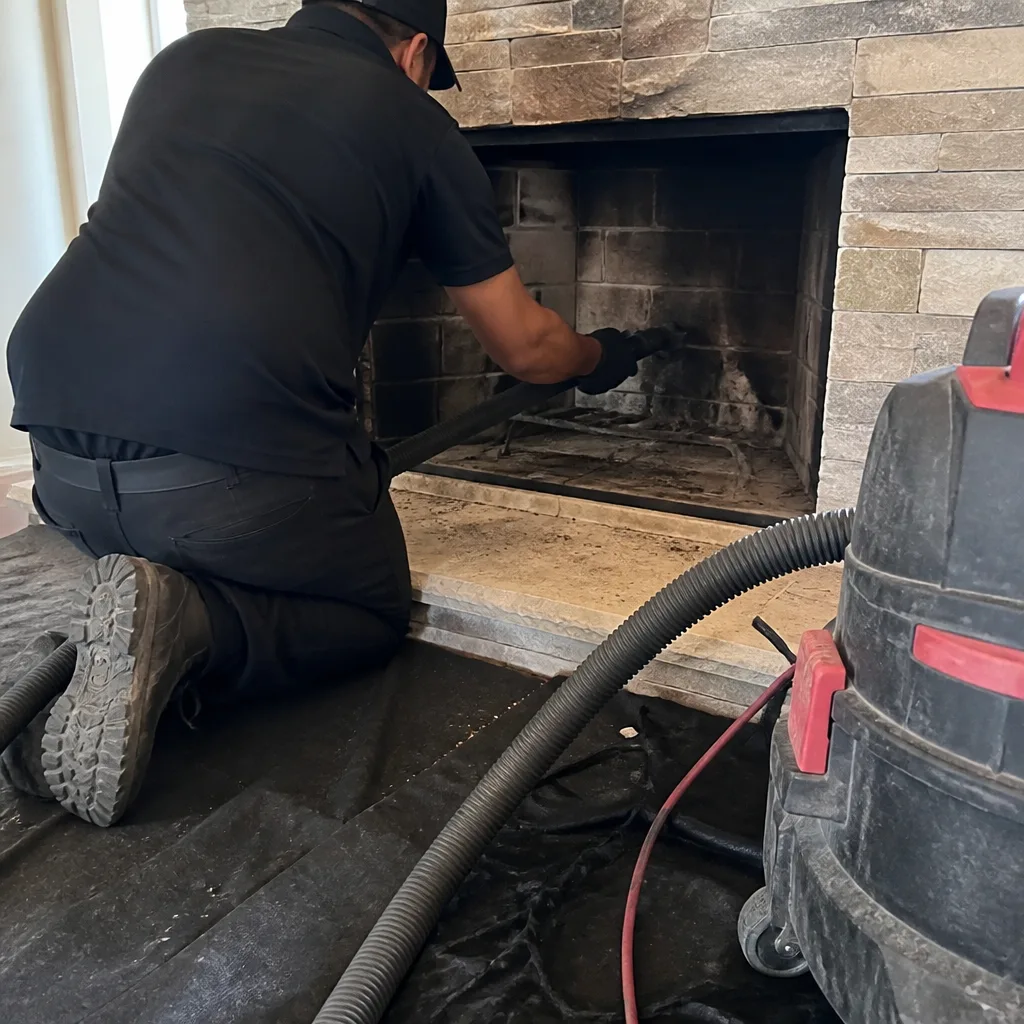 Before
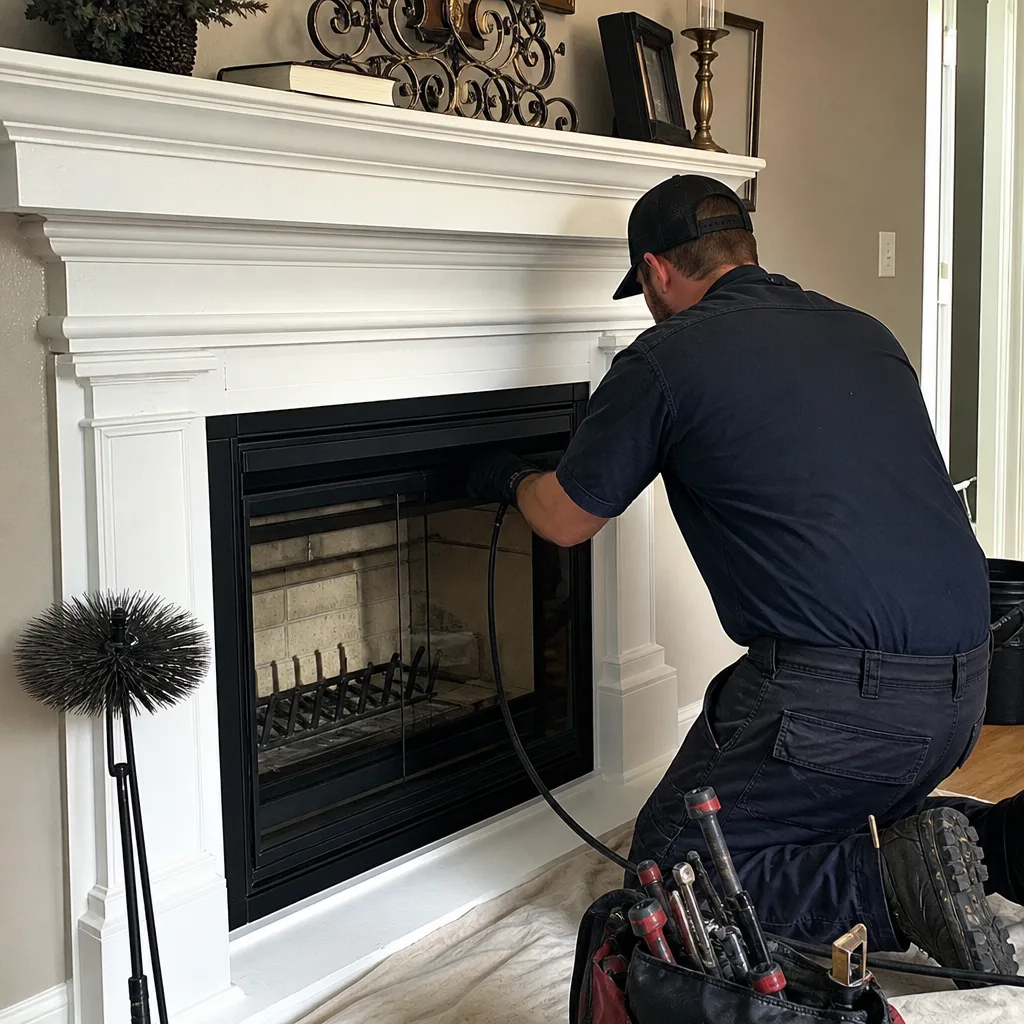 After
AfterWhen to Call a Professional
Call a professional when the chimney has not been camera-inspected in the last two years, when you hear birds in the flue, when smoke enters the room, when you notice a strong soot smell days after a fire, or when water stains appear on the ceiling near the chimney chase. Any of these signs means the system needs eyes you can’t provide from the rooftop. Call before burning season starts, ideally in September or October, so any repairs are done before you’re lighting fires. Hadley Chimney Orlando offers free estimates in Orlando and the surrounding area. Call (904) 822-8172, and a live person picks up, day or night.
Frequently Asked Questions
A standard chimney sweep in Orlando typically costs $150 to $275 for a one-story masonry fireplace with a clay tile liner, with camera inspection adding $75 to $100 at most companies. At Hadley, camera documentation is included in the sweep price as part of the Relay Visibility Guarantee. Call (904) 822-8172 for an exact quote on your chimney, because factors like flue height, liner condition, and roof access all affect the final number.
The National Fire Protection Association recommends a chimney inspection and cleaning at least once per year, and that standard holds in Orlando even though fireplaces get lighter use in Florida’s warm climate. The reason is that chimneys degrade from moisture, humidity, and time even when they aren’t used, and an annual camera inspection catches that degradation early.
Yes, you can sweep accessible surfaces of a one-story chimney with basic tools and proper safety gear, but you cannot evaluate the structural condition of your flue liner without camera equipment and training. Most Orlando homeowners are best served by doing light DIY maintenance between annual professional inspections rather than replacing professional service entirely.
If the answer is no, then you’re comfortable making safety decisions about the hottest component of your home without seeing its structural condition. The most serious chimney problems exist in the parts of the flue you can’t see from either end. Camera footage gives you either the confidence to keep using the fireplace or the evidence you need before approving repairs, and that’s worth the cost of a professional sweep.
Creosote continues to accumulate, and in a humid climate like Orlando’s, so does the moisture that accelerates liner deterioration. The combination of built-up creosote and a degraded liner creates the exact conditions where chimney fires start. If you’ve skipped several years, the first step is a professional inspection with camera documentation to establish current condition, not a DIY brush-out.
A properly performed sweep is not messy, because the technician seals the fireplace opening with plastic sheeting before starting and uses a HEPA-filtered vacuum to contain particulates. At Hadley, the work area is covered and clean when we leave, with before-and-after photos documenting the entire process. You’ll see the footage, not the dust.
The Bottom Line
DIY chimney cleaning is a maintenance task, not a diagnostic tool. In Orlando, where humidity accelerates liner degradation and chimney swifts make sweeping a legal consideration half the year, the homeowner who skips professional inspection is making a safety decision without information. The hybrid approach, annual professional camera inspection paired with occasional DIY brush-outs between visits, gives you the cost savings of self-maintenance without surrendering the diagnostic layer that actually keeps your home safe. The camera sees what the brush can’t, and the brush can’t tell you whether your liner is safe to use. That’s the entire decision in one sentence. Call (904) 822-8172 for a free estimate, or start with a gas fireplace checkup if you’re not burning wood at all. We’ll answer, day or night.
Written by Cory Mitchell, Owner at Hadley Chimney Orlando, serving Orlando since 2003. Explore more guides & resources on chimney care.