
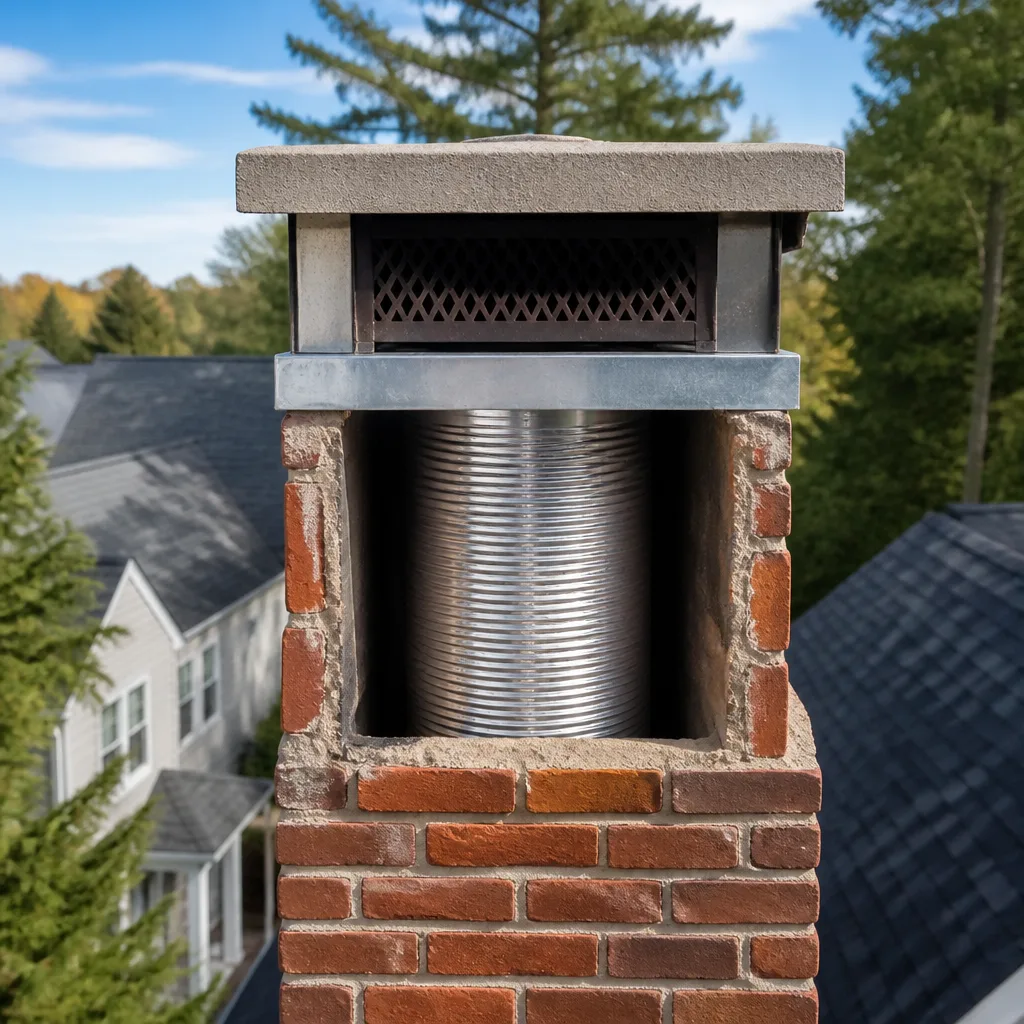
 Flue relining
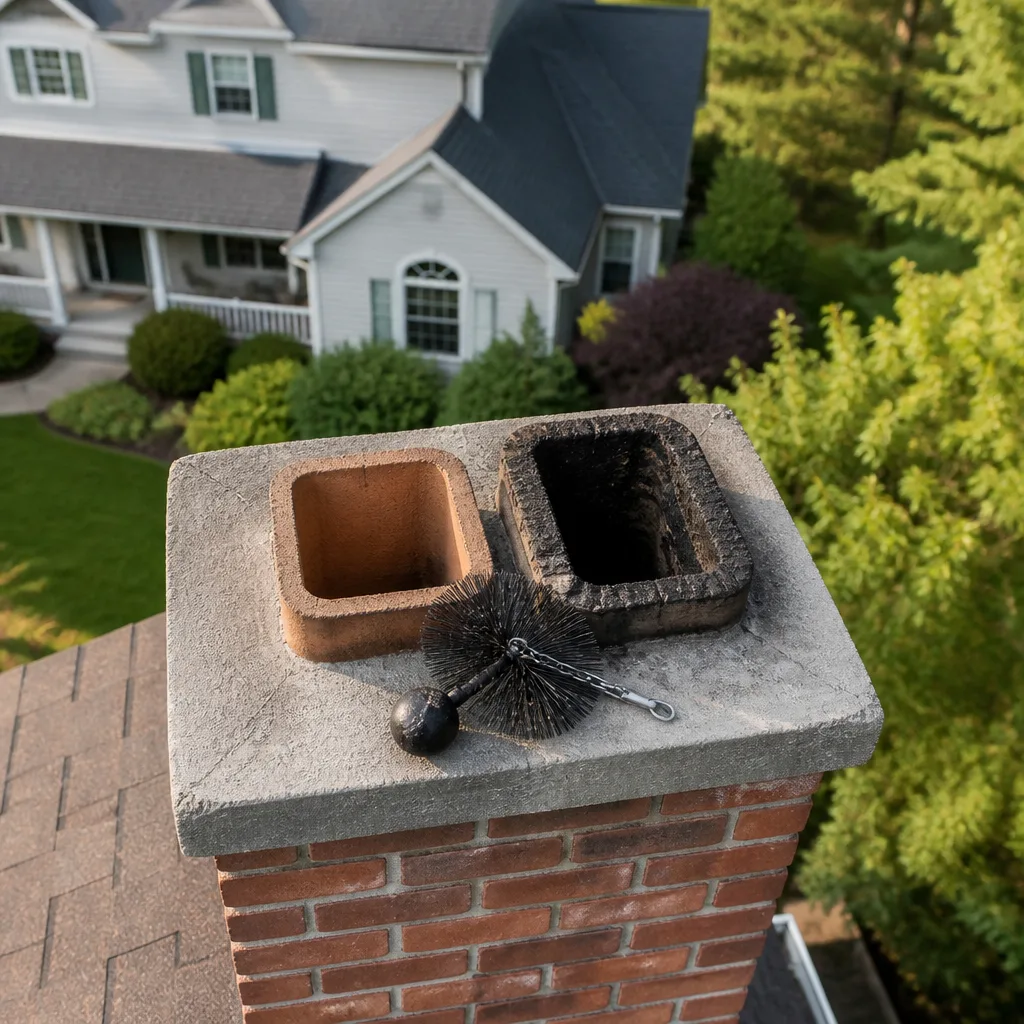 Sweep & inspection
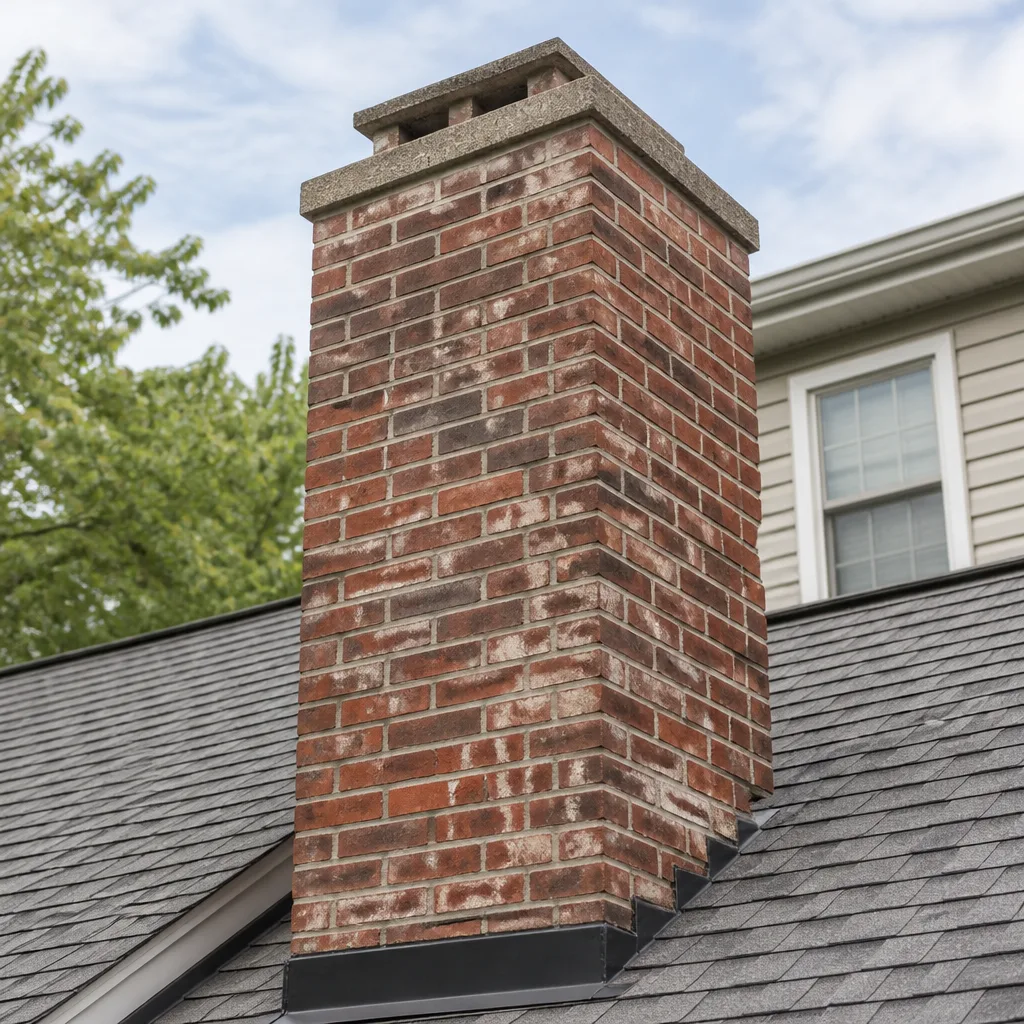 Masonry repair
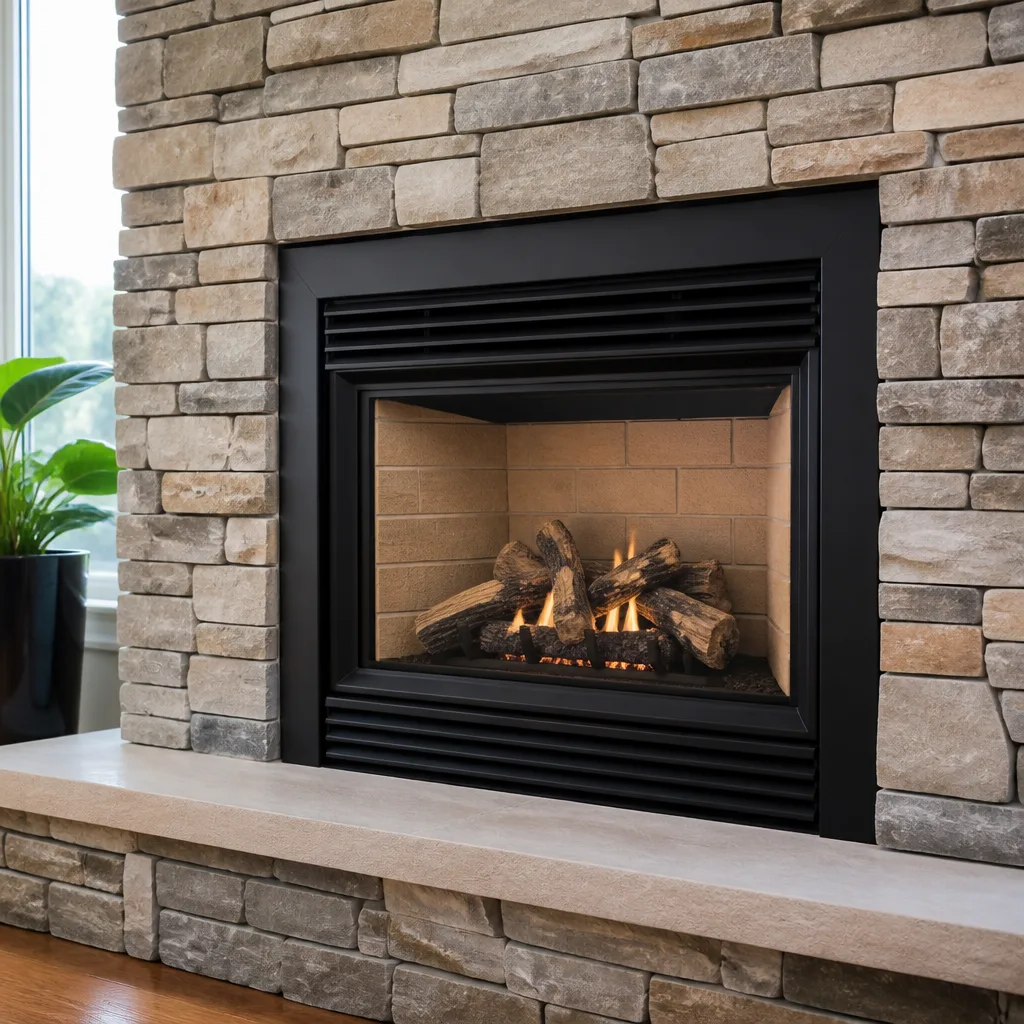 Gas fireplace service
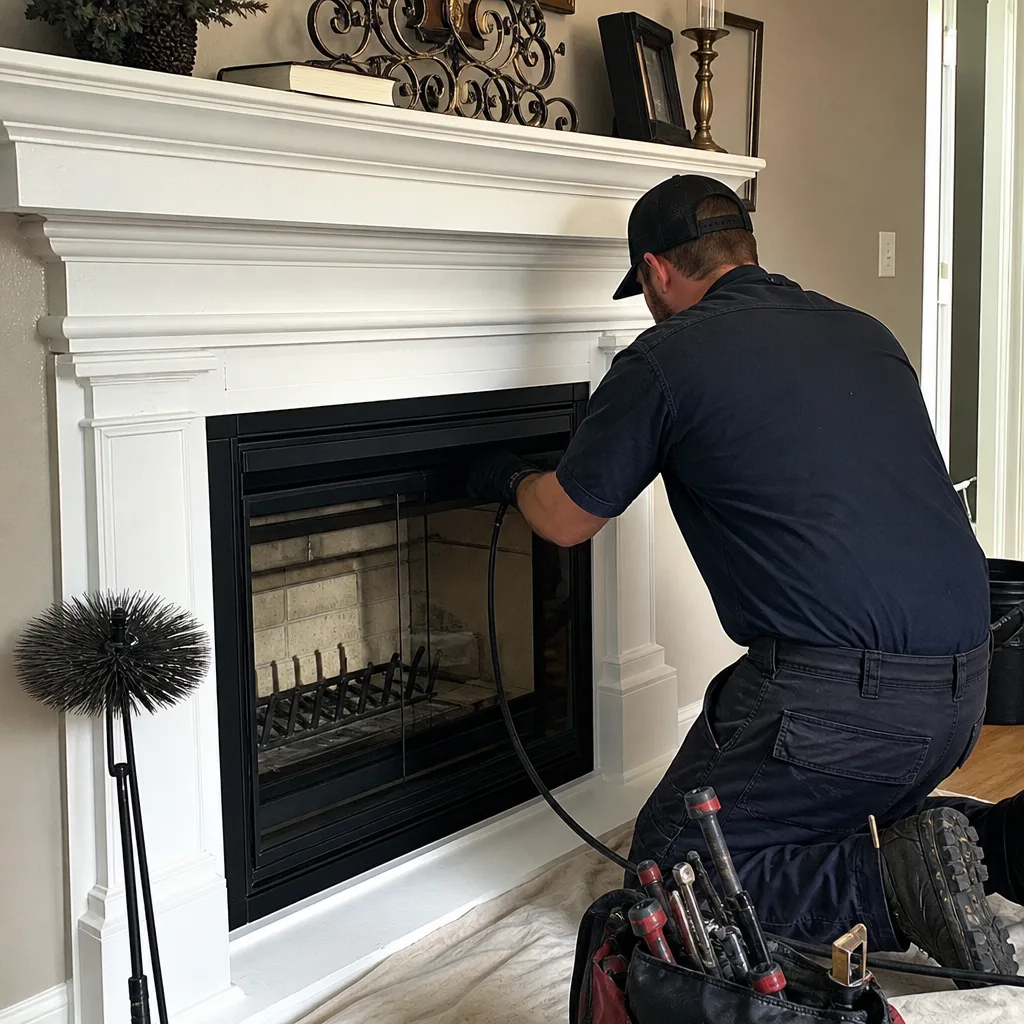
Level 1 sweep and inspection to the NFPA 211 annual standard - flue, crown, cap, and flashing checked and photographed
Chimney sweep logs do not sweep chimneys. They loosen some creosote - which then falls where a brush and vacuum still have to collect it.
Gelco Flue Liner Replacement: The Orlando Owner’s Guide
Gelco flue liner replacement in Orlando typically runs $1,850 to $3,400 installed, depending on the liner diameter, chimney height, and whether we’re pulling an old clay tile liner or working with a pre-existing stainless setup. We stock Gelco-compatible stainless liner kits on the truck most weeks, so a straight swap on a standard single-story chimney can often be done same-day once we’ve measured and confirmed the sizing. Most Orlando homeowners find out their Gelco liner has failed in one of two ways: a chimney inspection after years of skipped sweeping, or visible rust flakes and pitting showing up on the firebox floor after a heavy summer rain season.
Here’s the short version of what you need to know: your Gelco liner is the stainless steel tube running inside your chimney that carries smoke and gases out and keeps heat away from the surrounding masonry. When it rusts through or separates at a seam, you’re no longer venting safely. We’ll get into what that looks like, what it costs to fix in Orlando, and how to tell if you actually need a new liner or if a repair gets you through a few more years.
Key Takeaways
- Gelco liner replacement in Orlando: $1,850 to $3,400 installed for most homes
- We stock Gelco-compatible stainless liner kits and common adapter parts on the truck
- Florida humidity and salt air near the coast accelerate liner corrosion; interior Orlando homes still see rust at the 15-to-20-year mark
- A written price comes before any work starts, every time, and every liner replacement carries our 365-Day Done Right Promise
- Hadley Chimney Orlando is an independent service provider, not affiliated with Gelco
Which Gelco Models This Applies To
Gelco has made a few different liner product lines over the years, and the replacement path depends on which one you have. Their most common residential offerings are the 4-inch and 5.5-inch diameter stainless steel liner kits paired with gas or oil appliances, and the 6-inch and 7-inch liners for wood-burning fireplaces. The 4-inch liners are used mostly on water heaters and smaller gas inserts; the 5.5-inch covers many mid-sized gas appliances; 6-inch and 7-inch are typical for open wood-burning fireplaces and larger gas units. If you’re not sure which you have, look for a metal identification tag near the top of the liner or on the appliance collar. No tag? We measure the inside diameter with a set of calipers on site, which takes about 30 seconds and removes all the guesswork.
The OEM-vs-aftermarket question comes up a lot with Gelco, and the honest answer is that Gelco uses a standard corrugated stainless profile, meaning quality aftermarket liner sections from brands like DuraFlex or Olympia Chimney will match up dimensionally and perform identically in nearly every residential application. The compatibility gotcha: Gelco’s twist-lock coupling design uses a specific male/female profile, so you can’t just clamp any generic liner to an existing Gelco section and expect the joint to seal. When we can’t source a true Gelco OEM replacement section, we swap in a full run of DuraFlex or equivalent, never a mixed-and-matched patch job. A mismatched joint is exactly where Orlando’s humidity-driven rust creeps in first.
One more spec worth knowing: Gelco liners come in both 316-grade and 316Ti (titanium-stabilized) stainless. The 316Ti holds up better against the corrosive condensate that acidic gas-appliance exhaust produces, especially in Florida’s humidity. If we’re replacing a gas-appliance liner, we’ll always recommend the 316Ti alloy even if it’s not what was originally installed.
Styles & brands we work with
Signs Your Gelco Flue Liner Replacement Is Failing
Most of the time, homeowners don’t know anything is wrong until we show them. These are the patterns we see most often across Orlando, from Delaney Park bungalows to newer builds near Lake Nona:
- Rust flakes or metallic bits in the firebox. This is the classic. When stainless liner pitting starts, small pieces of oxidized metal flake off and drop down into the fireplace. If you see reddish-brown flakes on the firebox floor, your liner is actively corroding from the inside out.
- Visible rust streaks or stains on the exterior chimney cap area. Condensation from inside the flue can carry rust to the top of the liner and leave streaks on the cap or crown. On Orlando’s humid mornings, you might see this more clearly.
- A smell like damp metal or sulfur when the appliance runs. Exhaust gases escaping through a pinhole in the liner will sometimes migrate back into the house. It’s faint at first, but it has a distinct metallic tang that’s different from normal fireplace smoke.
- Water in the firebox after heavy rain. A rusted-through liner can let rainwater through the chimney chase and into the firebox. In Orlando, our afternoon thunderstorms give this one away fast.
- Soot or staining on the chimney exterior masonry. If the liner has failed in the upper third of the flue, exhaust can push through the chimney brick itself and leave dark staining. This one is a serious red flag, not a cosmetic issue.
See the difference
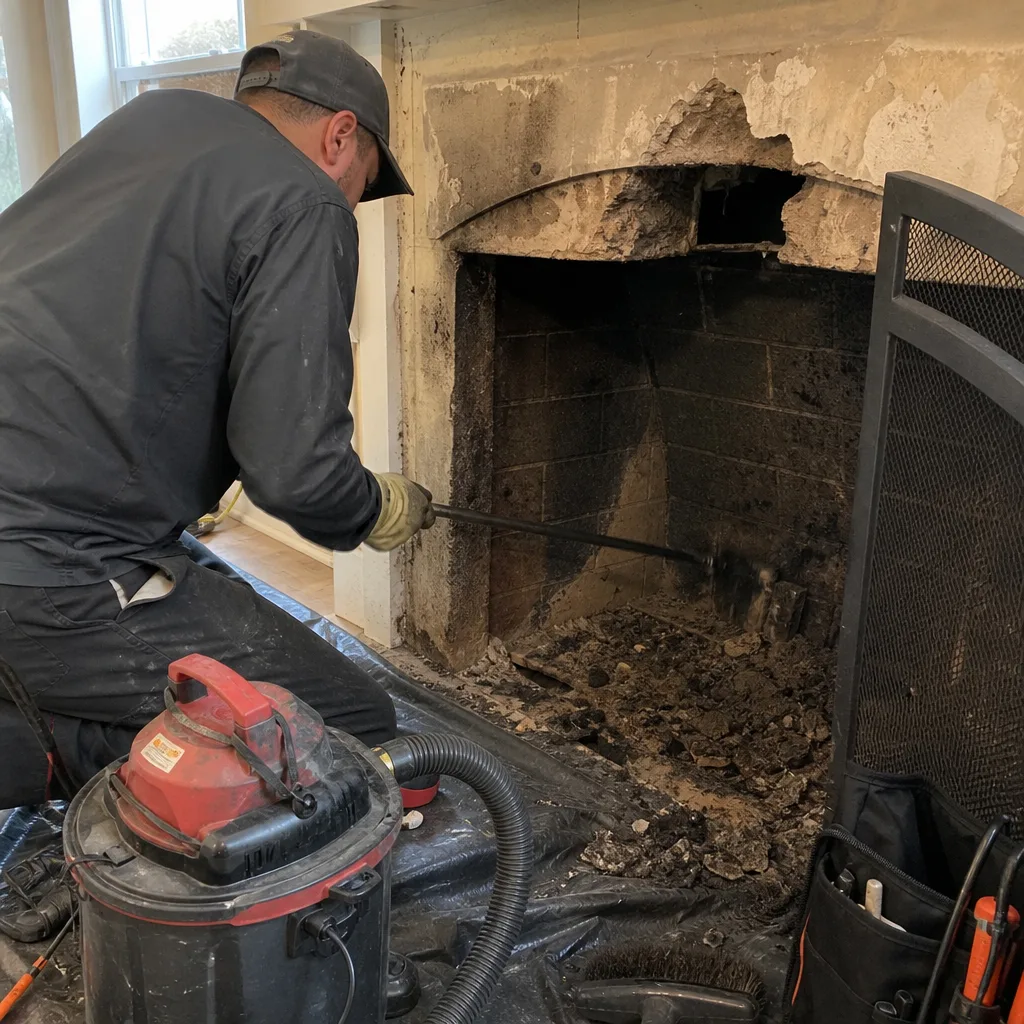 Before
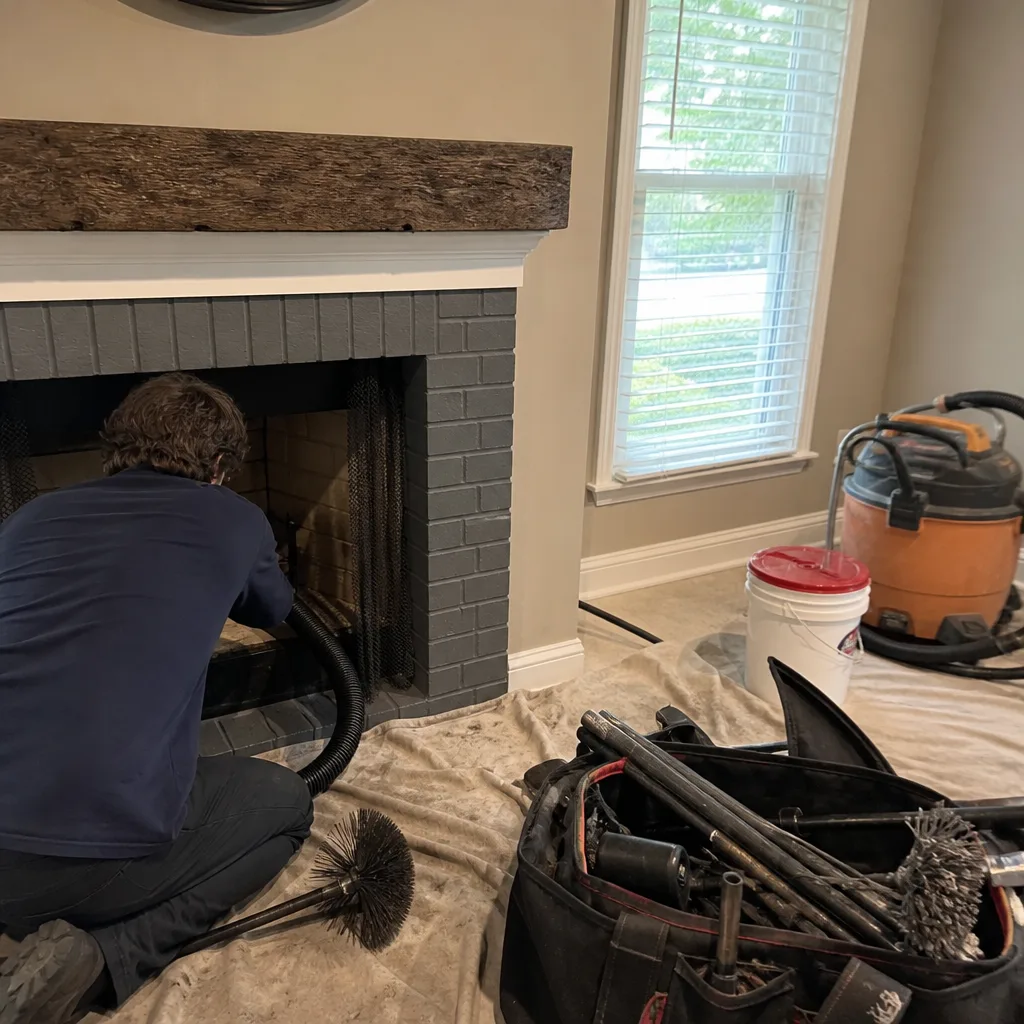 After
After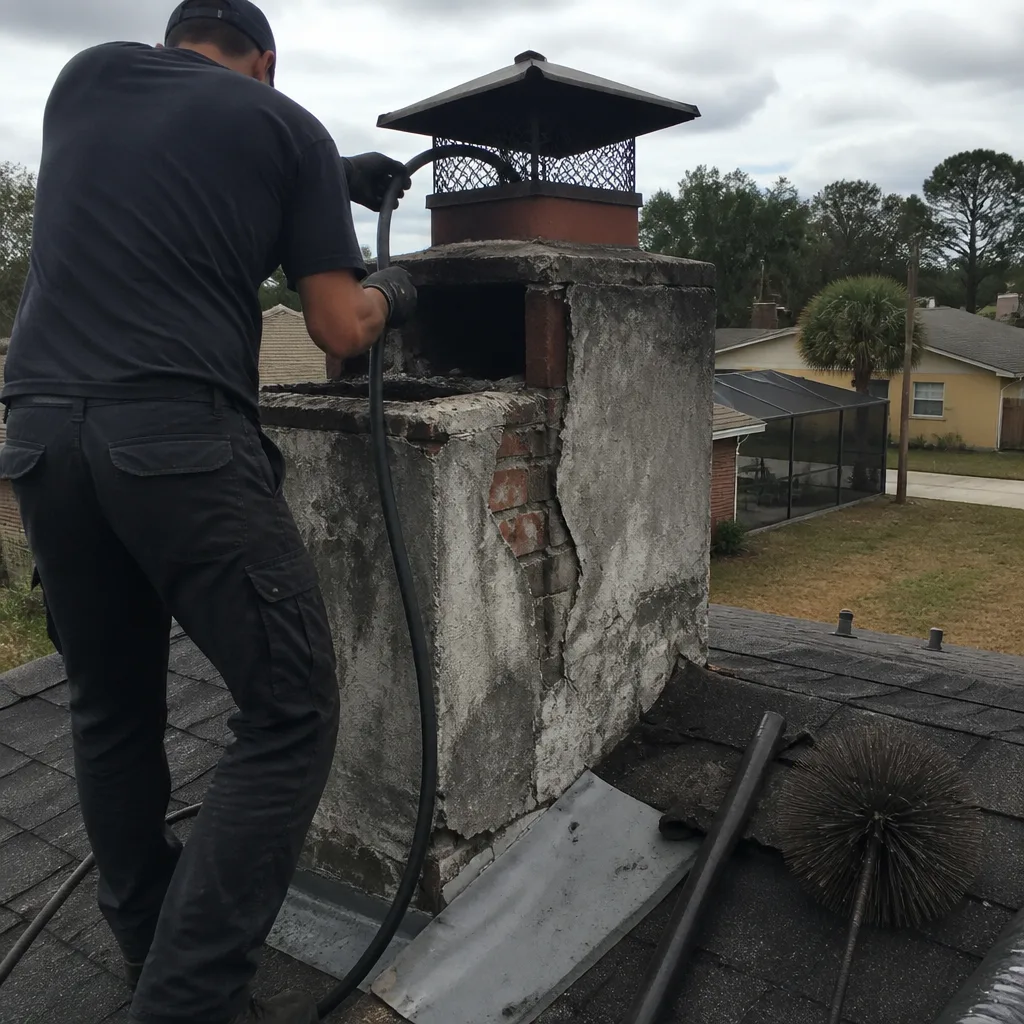 Before
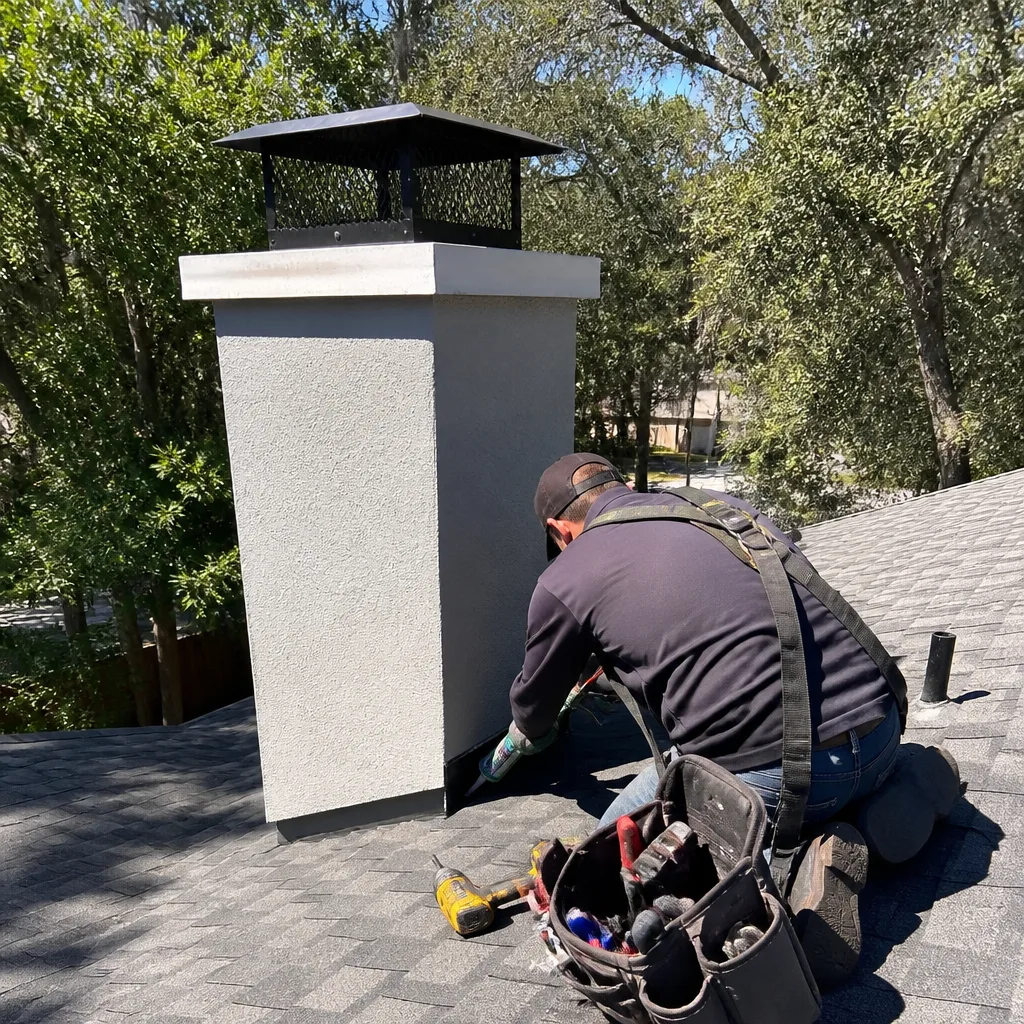 After
After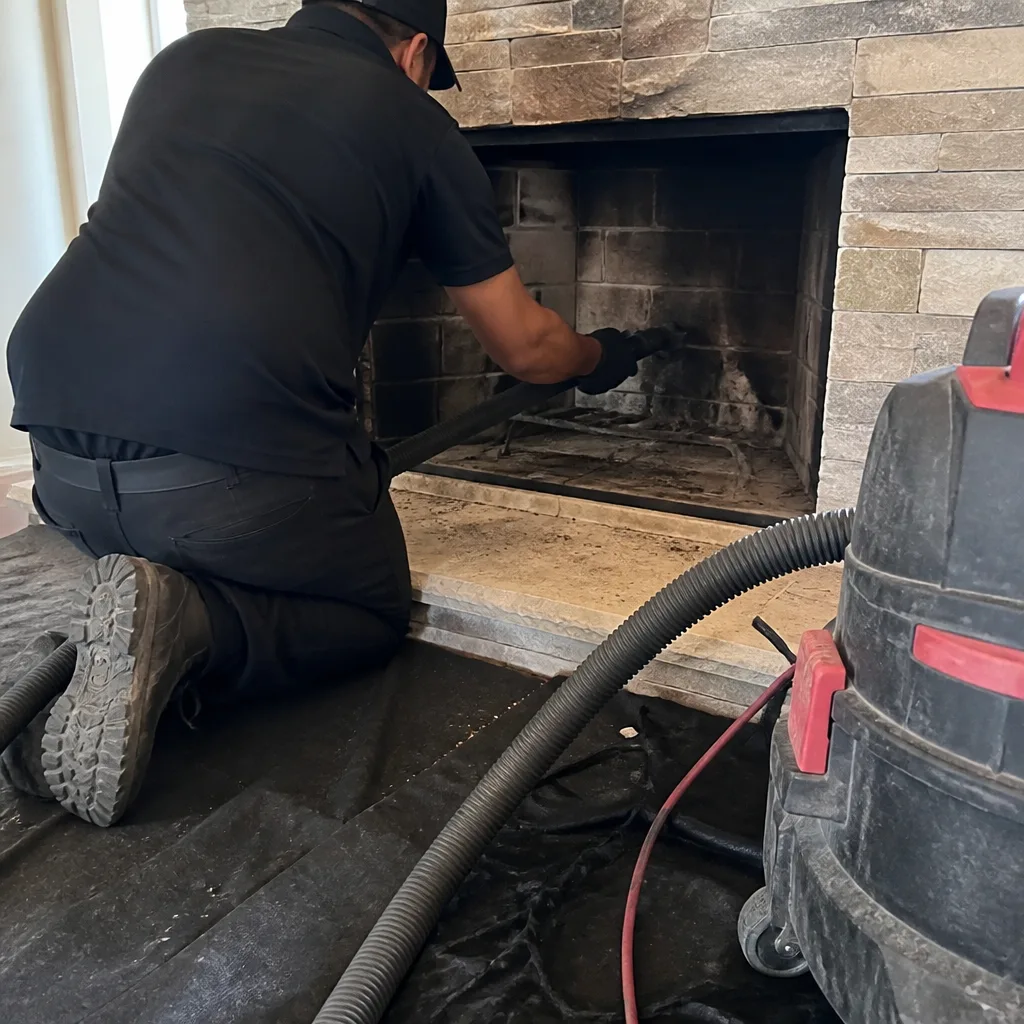 Before
 After
AfterReplacement Cost & What’s Included
An installed Gelco-compatible liner replacement in Orlando lands between $1,850 and $3,400 for most single-family homes. Here’s what moves the number:
- Liner diameter and length: a 4-inch water heater liner is cheaper than a 7-inch fireplace liner, but a two-story home with a 30-foot stainless run costs more in materials than a single-story with a 15-foot run. The stainless itself is the bulk of the parts cost.
- Chimney access and height: a steep roof pitch in a neighborhood like College Park adds ladder time and safety rigging. A straighter chimney on a ranch home is faster to work on.
- Whether we’re pulling old clay tile: if the original chimney has clay tiles that have cracked and shifted, removing them to make room for a properly sized stainless liner adds labor. This is where a few Orlando inspections have found the real problem: the Gelco liner you thought failed was actually compromised because the clay tiles behind it shifted.
Every replacement includes a parts line item, labor, new top plate and rain cap as needed, and a camera inspection after installation so you can see exactly what was installed. Before anyone starts work, you get a written price. No surprises. And the whole job carries our 365-Day Done Right Promise: if it’s not done right, we make it right, and you get a free second visit if the repair fails.
What are typical Gelco liner replacement costs in Orlando? Most single-family homes pay $1,850 to $3,400 installed for a Gelco-compatible stainless liner replacement, depending on liner diameter, chimney height, and access. Call (904) 822-8172 for a free estimate and we’ll break down the exact number before anyone picks up a tool.
DIY or Call Us?
This is not a spring-replacement situation with a five-minute video fix. A flue liner handles hot exhaust gases and must be installed to code clearances, with proper support, correct clearances to combustibles, and a watertight top termination. Get it close but wrong and you’re looking at a chimney fire or carbon monoxide entering the house. Orlando’s code requirements also demand specific clearances around masonry and framing that a generic online video won’t cover. We’re not going to pretend this is complicated beyond a pro: it’s a two-person job with scaffolding or ladder work, plus a camera inspection at minimum.
What you can safely check on your own: look for rust flakes in the firebox, shine a flashlight up the flue to spot obvious holes or light coming through, and check whether your chimney cap is missing or dented. That’s a good quick assessment. Beyond that, call us. We’ll text you photos of what we find before we recommend anything. Cory Mitchell put it best: “I’d rather text you the photo and let you decide than talk you into something you can’t see for yourself.”
FAQs
A stainless Gelco liner in Orlando typically lasts 15 to 20 years before corrosion or seam failure shows up, though Gas appliance liners running high-efficiency units can degrade in 12 to 15 years due to acidic condensate. Coastal or humid conditions shorten that lifespan, and Orlando’s humidity plus summer storms put real stress on exposed liner sections near the top of the flue. If you’re at the 15-year mark and seeing rust flakes, you’re likely due.
Small pinholes or a single bad joint can sometimes be patched with a stainless wrap or a sectioned replacement, but if corrosion is widespread or the liner has separated at multiple seams, a full replacement is the honest call. Patchwork on a flue liner is a short-term fix at best, and Orlando’s hot, humid summers accelerate further rust. We’ll show you the camera footage and tell you straight, not sell you a liner you don’t need.
Most standard single-story liner replacements in Orlando are finished in a single day, and we can often book the job within a few days of your inspection. Two-story homes or chimneys that need clay tile removal may take a day and a half. You’ll get a booked arrival window with live tracking, not a four-hour guess, and a digital invoice you can pay from a link. Call (904) 822-8172 and we’ll get you on the schedule.
We stock Gelco-compatible stainless liner kits in the most common diameters, plus DuraFlex and Olympia Chimney sections for matching or full-run replacements. For unusual lengths or specialty sizes, we order from our supplier and typically have the part in hand within a few business days. Before we order anything, we’ll tell you exactly what we’re using and why, with a written price.
Written by Cory Mitchell, Owner & Lead Chimney Sweep, Hadley Chimney Orlando at Hadley Chimney Orlando, serving Orlando and nearby areas.