
Last updated October 15, 2026
 Sweep & inspection
 Flue relining
 Masonry repair
 Gas fireplace service
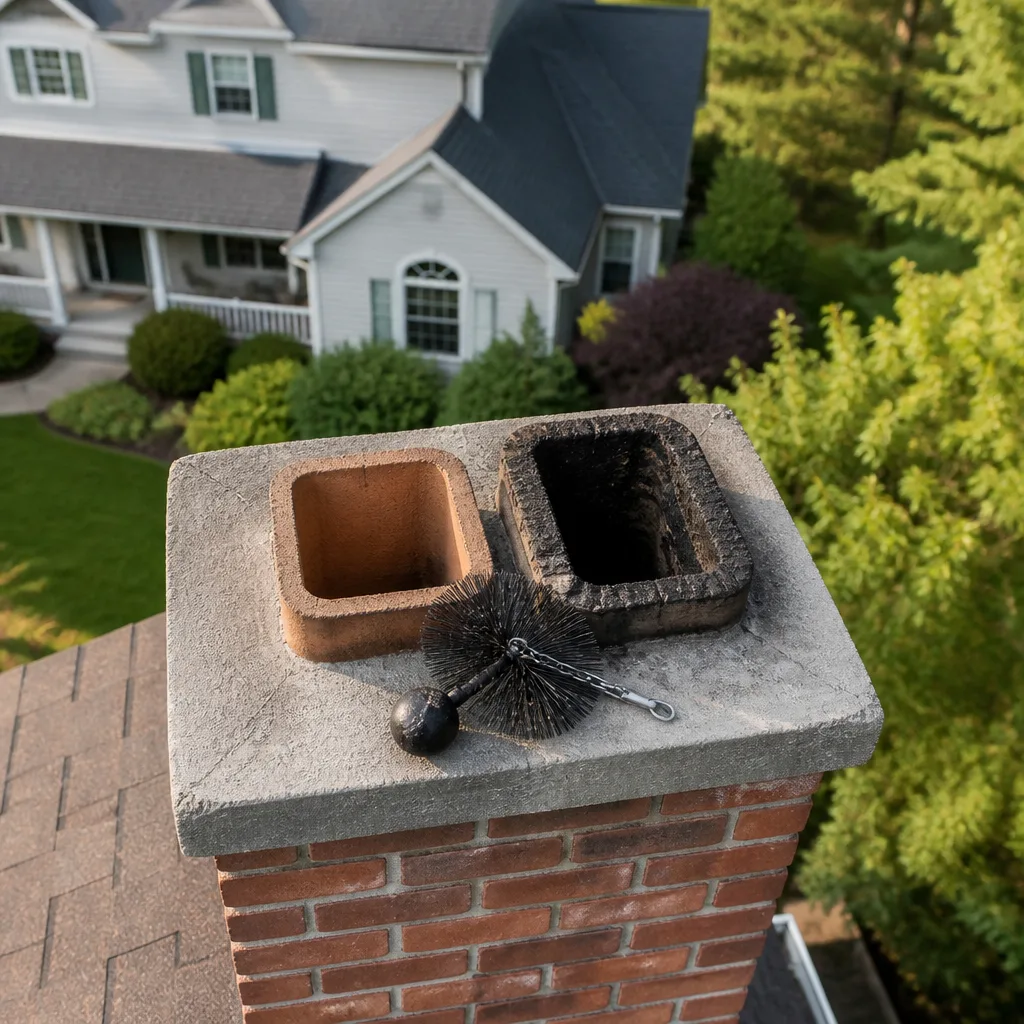
Level 1 sweep and inspection to the NFPA 211 annual standard - flue, crown, cap, and flashing checked and photographed
Chimney sweep logs do not sweep chimneys. They loosen some creosote - which then falls where a brush and vacuum still have to collect it.
The Complete Guide to Chimney Cleaning in Orlando
Most Orlando homeowners fire up their fireplace fewer than 15 times a year. That sounds like a reason to skip the chimney cleaning, but it’s actually the opposite. Low usage in a humid, subtropical climate means your chimney sits empty and damp for months at a stretch, and that’s when the real problems start: animals move in, moisture attacks the mortar, and the creosote that does form gets stickier and harder to remove than anything you’d find in a Minnesota chimney. This guide explains what actually happens inside an Orlando chimney between burn seasons, what a proper cleaning should catch, and why the standard “once a year, every year” advice you’ve read elsewhere doesn’t fully apply here. By the end, you’ll know exactly what to expect from a chimney sweep in Orlando, what it should cost, and what proof of work you should demand.
Quick Answer
Chimney cleaning in Orlando typically costs between $149 and $289 for a standard sweep and Level 1 inspection, with the price varying based on chimney height, roof pitch, and how long it’s been since the last cleaning. You should have your chimney cleaned and inspected at least once a year even if you rarely burn, because Florida humidity and wildlife intrusion create hazards that sitting dormant makes worse, not better. A proper cleaning includes a visual inspection of the liner, firebox, damper, and cap, plus documentation of what was found and removed.
Styles & brands we work with
Table of Contents
- Why Low-Usage Fireplaces in Orlando Need More Attention, Not Less
- How Florida Humidity Attacks Your Chimney Between Burn Seasons
- The Wildlife Problem: What’s Living in Your Orlando Chimney Right Now
- Creosote in Central Florida: Different, Stickier, and Misunderstood
- Level 1 vs. Level 2 Inspections: What Orlando Homeowners Actually Need
- What Chimney Cleaning Costs in Orlando (2026 Pricing Guide)
- What Happens During a Professional Chimney Cleaning: Step by Step
- Why DIY Chimney Cleaning Usually Isn’t Worth It
Why Low-Usage Fireplaces in Orlando Need More Attention, Not Less
Here’s the counterintuitive truth we’ve learned from two decades of working on Orlando chimneys: a fireplace that burns every day in a cold climate often has fewer hidden problems than one that sits dormant for nine months at a stretch. Why? Because regular use creates airflow that dries out the flue, and the heat keeps animals from settling in. In Orlando, your chimney spends most of the year as a dark, quiet, protected cavity, and nature treats that as an open invitation.
When you do light a fire after months of non-use, you’re not just burning wood. You’re burning whatever accumulated in there while you weren’t looking: leaves, twigs, nesting material, dried moss, and sometimes the remains of animals that got in and couldn’t get out. That material can ignite quickly and at higher temperatures than seasoned firewood, which puts sudden stress on a flue liner that may have already been weakened by moisture.
This is the core reason the standard Chimney Sweep in Orlando recommendation applies differently here. The annual cleaning isn’t about clearing heavy creosote from daily burns. It’s about clearing debris, verifying the liner is intact, and confirming the cap is still doing its job before you light that first fire in November or December. Skip it, and you’re gambling on a chimney you haven’t looked at since last winter.
How Florida Humidity Attacks Your Chimney Between Burn Seasons
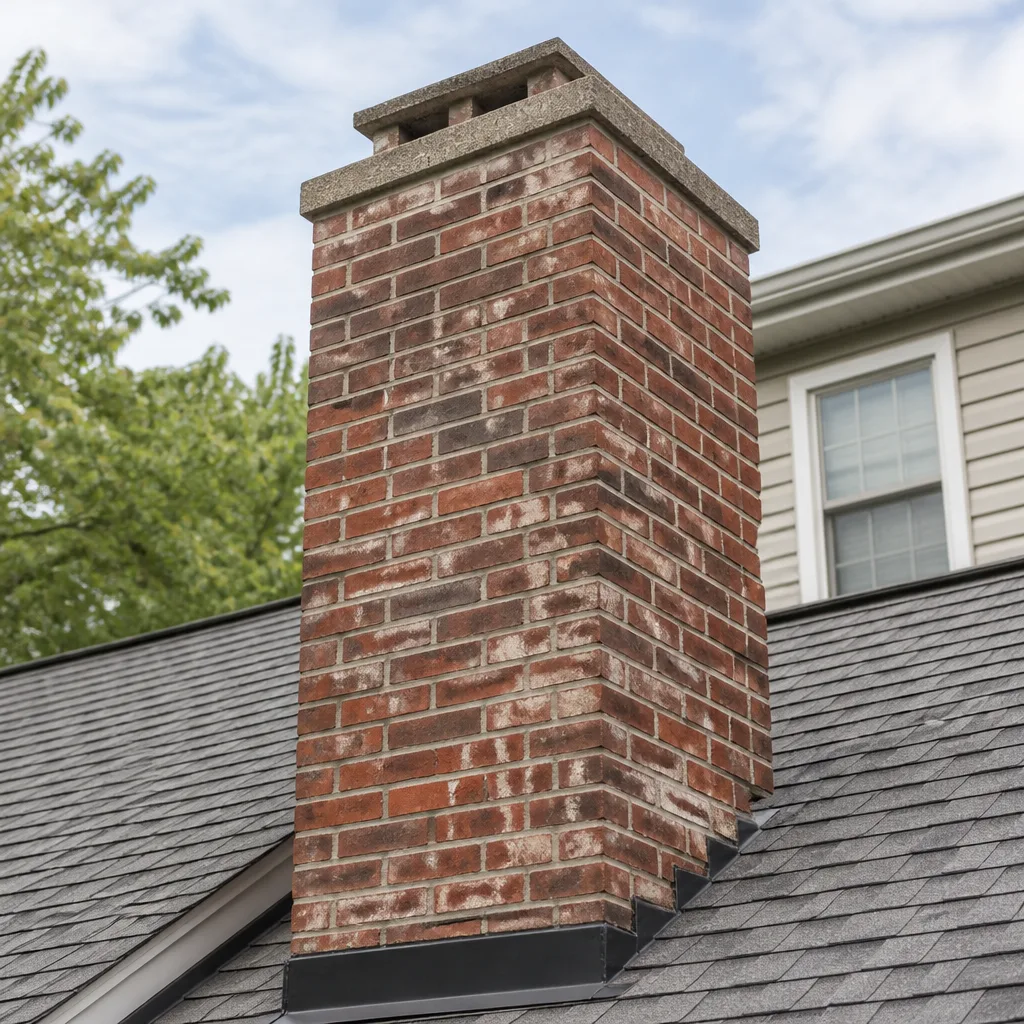
Florida’s humidity doesn’t just make summer uncomfortable. It actively breaks down masonry chimneys through a process most guides never mention. Here’s what happens. The mortar joints in your chimney absorb moisture from the air. When temperatures rise, that moisture expands. When they drop, it contracts. Over months and years, this cycle creates hairline cracks in the mortar, especially in older Orlando homes where the chimney was built with standard Type N mortar rather than moisture-resistant Type S.
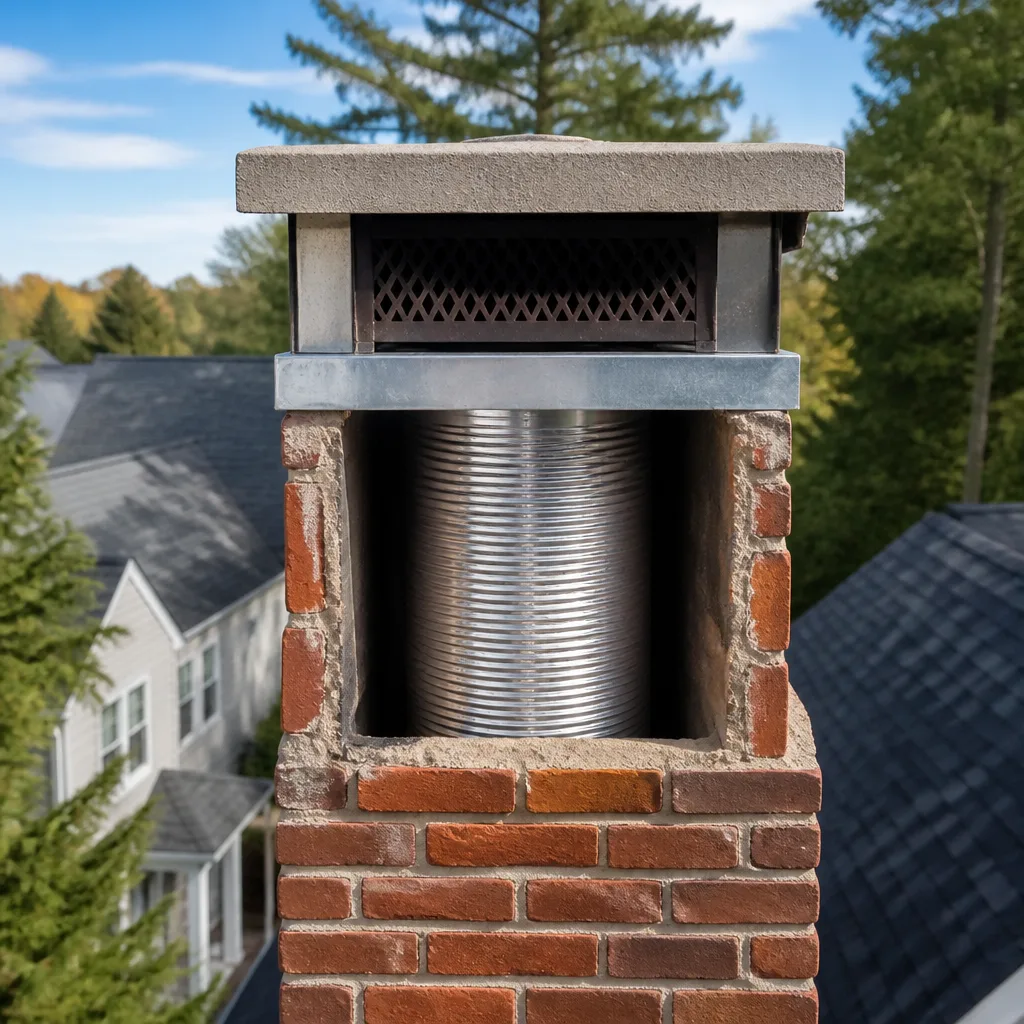
Those tiny cracks let in more water during Florida’s afternoon thunderstorms, and then the cycle accelerates. The flue liner, which is the protective barrier between the fire and the surrounding brick, starts to spall (the technical term for flaking and chipping). Once a clay liner spalls, it can no longer contain heat and combustion gases the way it should. From the fireplace opening on your living room wall, everything might look fine. The damage is happening higher up, invisible unless someone gets on the roof or runs a camera up the flue.
This is why we insist on photo documentation for every Chimney Repair in Orlando we recommend. If a technician tells you the liner is cracked or the mortar joints are failing, you should be able to see it with your own eyes. Our technicians run a camera through the flue and show customers the images before any repair is discussed. That’s not a courtesy. It’s how you know the recommendation is real.
The Wildlife Problem: What’s Living in Your Orlando Chimney Right Now
Between March and October, your Orlando chimney is prime real estate for three specific species. Each one creates a different problem, and each requires a different response, which is why a generic “animal removal” service isn’t the same as a chimney professional who knows what they’re looking at.
Raccoons
Raccoons are the most common tenant in Orlando chimneys. A female raccoon will climb down your flue in the spring and build a nest on the smoke shelf (the flat area just behind the damper). Raccoon nests are bulky, flammable, and often infested with fleas. More importantly, raccoon droppings can carry roundworm, which is dangerous for humans. A chimney with a raccoon nest needs professional removal, followed by a full cleaning and a cap installation or replacement.
Chimney Swifts
Chimney swifts are migratory birds protected under federal law, and they’re the only species you can’t legally remove once they’ve nested. If you hear rapid chirping or fluttering in your chimney during summer, it’s likely swifts. In Orlando, chimney swift nesting season runs roughly March through August. During those months, a professional sweep cannot disturb an active nest. The solution is prevention: installing a proper chimney cap before nesting season begins. Once the birds leave, the nest must be removed because swift nests are highly flammable and block the flue.
Squirrels
Squirrels are less common in chimneys than raccoons, but they do get in, especially in older Orlando neighborhoods with mature oak canopies like College Park, Winter Park, and Conway. A squirrel that falls down the flue often can’t climb back out on the smooth clay or metal surface, which means it dies in there. The result is a smell that makes your entire living room uninhabitable, plus a decomposing carcass that must be removed before the chimney is safe to use.
Signs something is living in your chimney:
- Scratching or thumping sounds between the walls, especially at dawn and dusk.
- Unusual odors that get worse when the AC kicks on and circulates air through the house.
- Debris falling into the firebox: twigs, leaves, nesting material, or droppings.
- Flies or other insects appearing in the fireplace area, which often indicates a dead animal.
- Pets staring or pawing at the fireplace wall repeatedly.
If you notice any of these signs, call us at (904) 822-8172. We’ll tell you over the phone whether it sounds like an active nest that needs to wait or a dead animal that needs immediate removal. A live person answers, 24/7, so you’re never leaving a voicemail and hoping for a callback.
Creosote in Central Florida: Different, Stickier, and Misunderstood
Creosote is the flammable tar-like substance that forms when wood smoke cools and condenses inside the chimney. Every fire produces some, but the type and severity vary with burning conditions. And here’s what most Orlando homeowners don’t realize: the warm, humid air in your chimney between burns changes how creosote behaves.
In cold, dry climates, creosote tends to form as a dry, flaky substance that brushes off relatively easily. In Central Florida, the moisture in the air causes creosote to absorb water and become sticky and glazed. This is called Stage 2 or Stage 3 creosote depending on severity, and it adheres to the flue liner like tar. A standard chimney brush won’t remove it effectively. It requires chemical treatment or specialized rotary cleaning tools.
The other factor is what you burn. Many Orlando homeowners burn unseasoned wood because they buy it from a roadside stand in December and use it the same week. Green wood produces more smoke and lower fire temperatures, which means more creosote condensation per burn than a seasoned hardwood fire in a cold climate. If you’re burning seasoned oak or hickory, you’re doing it right. If you’re burning whatever’s cheapest from the gas station, expect faster buildup.
What glazed creosote means for your cleaning:
- A standard sweep with wire brushes will remove Stage 1 (dry, sooty) creosote effectively.
- Stage 2 (sticky, shiny flakes) requires more aggressive mechanical cleaning and more time.
- Stage 3 (dense, hard, tar-like glaze) often requires chemical treatment applied over several days before mechanical removal.
- Glazed creosote is a primary driver of the need for a Chimney Repair in Orlando, because it accelerates liner deterioration.
If it’s been more than one burn season since your last cleaning, assume you have at least Stage 2 and budget accordingly. A reputable company will show you photos of what’s inside the flue before and after, so you can see exactly what was removed. That’s standard practice on every job we do, not a special request.
Level 1 vs. Level 2 Inspections: What Orlando Homeowners Actually Need
The Chimney Safety Institute of America (CSIA) defines three inspection levels. Most Orlando homeowners need to understand the difference between Level 1 and Level 2, because the answer changes based on your situation, and many companies don’t explain this clearly.
Level 1 Inspection
A Level 1 inspection is the minimum. The technician checks the readily accessible parts of the chimney: the firebox, damper, smoke chamber, and the interior of the flue from both ends where visible. No special equipment is required. This is what’s included with a routine annual sweep and it’s sufficient if you’re using the fireplace the same way you always have, with the same fuel, and haven’t had any problems.
Level 2 Inspection
A Level 2 inspection includes everything in Level 1, plus access to the roof, attic, and crawlspace areas where chimney components pass through. Most importantly, it includes a video scan of the entire flue interior using a specialized camera. CSIA recommends a Level 2 inspection whenever you’ve had a chimney fire, a weather event that could have damaged the structure (like a hurricane or severe thunderstorm), a change in fuel type, or when the chimney has been dormant for an extended period.
Here’s the local reality: after a full Florida summer of non-use, during which the chimney sat through high humidity, afternoon storms, and possible wildlife activity, a Level 2 inspection is often the right call for Orlando homeowners. The visual check from the firebox opening won’t catch water damage mid-flue or a small crack that’s been growing for six months. The camera will.
We’ve seen cases where a customer hadn’t used the fireplace in two years, had a Level 1 sweep done, and then lit the first fire of the season, only to discover smoke backing into the house because a partial blockage was located 12 feet up where nobody could see it from below. A Level 2 camera scan would have found the problem before that first match was struck.
What Chimney Cleaning Costs in Orlando (2026 Pricing Guide)
You should know the numbers before you call, so you’re evaluating quotes from a position of knowledge rather than guesswork. Here’s what chimney cleaning in Orlando costs in 2026, based on the local market and what we see across Central Florida.
| Service | Typical Price Range (Orlando, FL) | What’s Included |
|---|---|---|
| Standard sweep + Level 1 inspection | $149 – $229 | Flue brushing, firebox cleanup, damper check, cap visual inspection |
| Sweep + Level 2 camera inspection | $249 – $389 | Everything in standard, plus full video scan of flue interior, roof/attic access |
| Heavy creosote removal (Stage 2/3) | $100 – $250 (add-on to sweep) | Chemical treatment or rotary cleaning, additional time |
| Animal removal (raccoon/squirrel) | $150 – $400 | Removal, nesting material extraction, sanitization |
| Chimney cap installation | $150 – $350 (parts + labor) | Standard stainless steel or copper cap, installation, weatherproof seal |
| Smoke chamber parging | $600 – $1,200 | Smoothing of rough smoke chamber walls with HeatShield or similar ceramic compound |
| Flue liner replacement | $2,500 – $6,000 | DuraFlex stainless steel liner system, sizing, insulation, installation |
These are honest ranges, not teaser prices. A company quoting $69 for a full sweep is either losing money or planning to upsell you aggressively once they’re on the roof. The old model was a cheap sweep as a foot in the door, then a hard pitch for thousands in repairs. We don’t operate that way, and we tell our customers exactly why. Every job gets a written price before work starts. That’s the Hadley standard, and it’s also the core of Hadley Chimney Orlando home‘s entire approach: no surprises, ever.
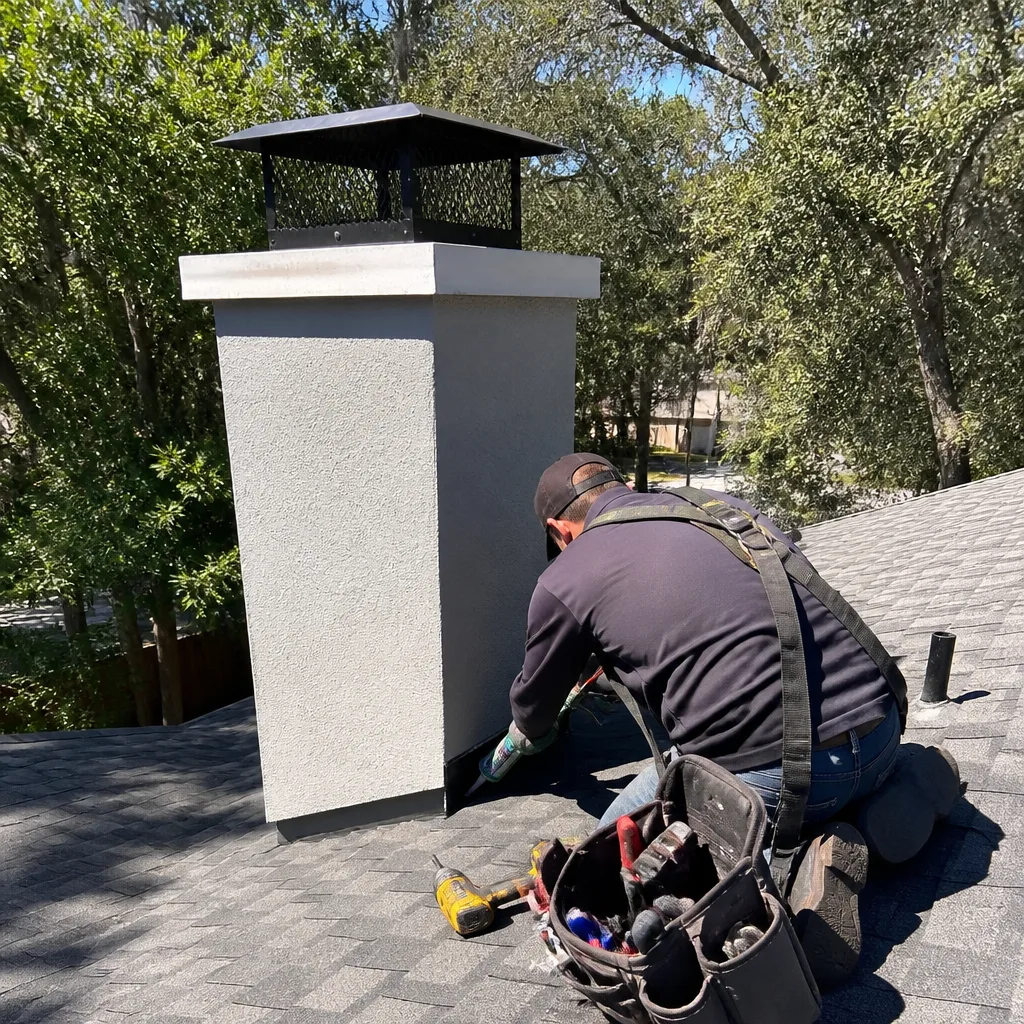
One more Orlando-specific note: if your chimney has never been capped, add that cost to your first cleaning. An uncapped chimney in Florida is an animal entry point and a water collection system, and you’ll pay for the damage either way. A $200 cap now is cheaper than a $5,000 liner replacement in three years.
What Happens During a Professional Chimney Cleaning: Step by Step
If you’ve never hired a chimney sweep in Orlando before, you might be imagining a soot-covered guy with a brush and a top hat. The reality is more methodical, and knowing what to expect protects you from companies that cut corners. Here’s the process, start to finish, and if you want help choosing the right company, see our How to Hire a Chimney Cleaning Contractor in Orlando: A Step-by-Step Guide.
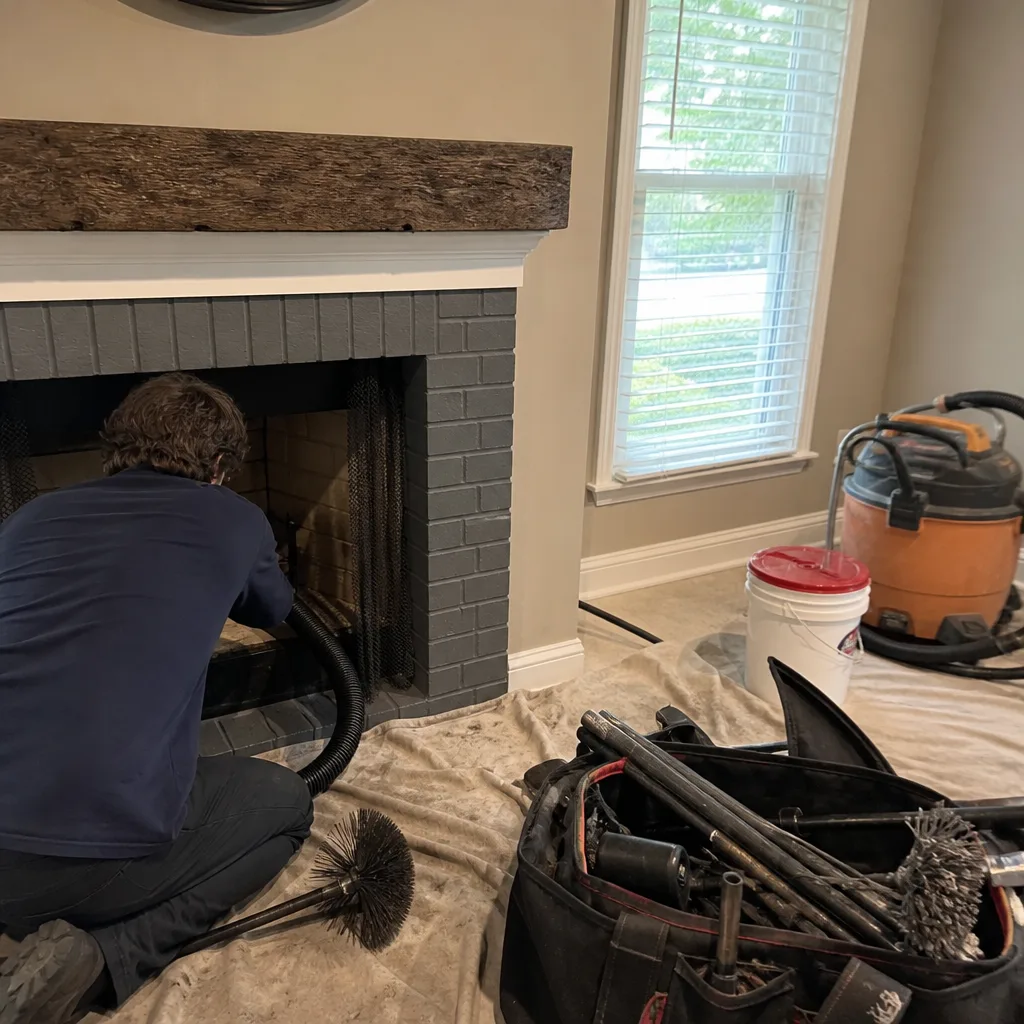
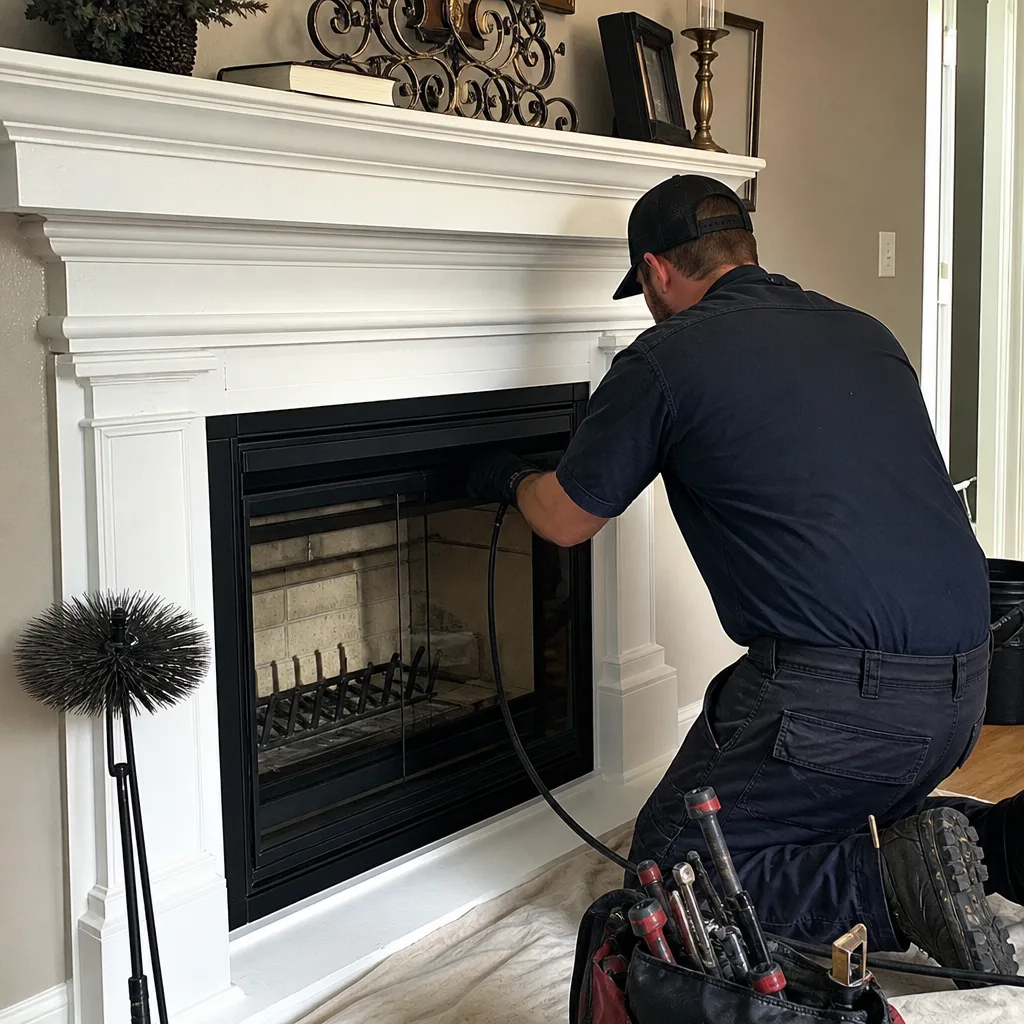
- Arrival and setup: A uniformed, background-checked technician arrives in a tracked window. You’ll know who’s coming and when, because the Relay Visibility Guarantee means live arrival times on every job. Tarps are laid down to protect your floors and furniture.
- Initial inspection: The technician inspects the fireplace from the interior, checking the damper, firebox, and smoke chamber. Then it’s up to the roof for a look at the cap, crown, and exterior masonry.
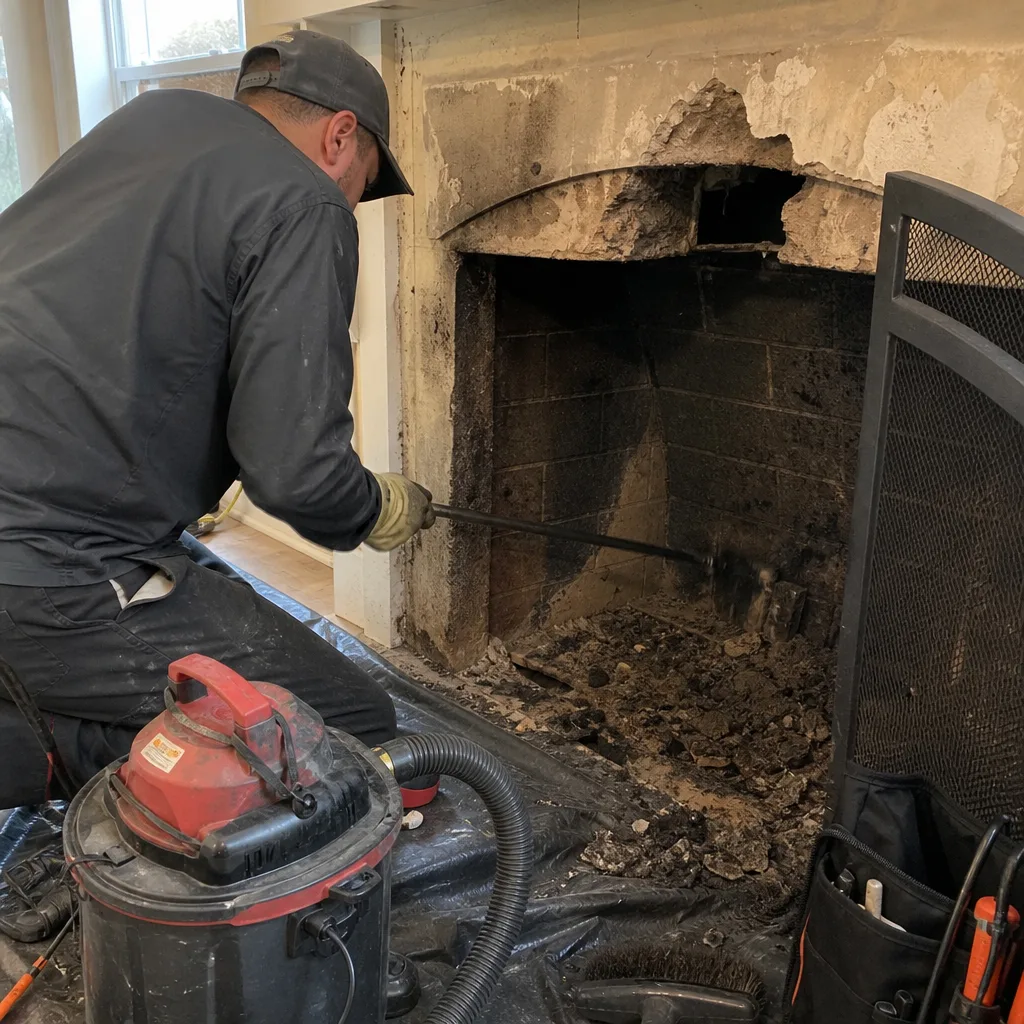
- Flue brushing: A properly sized brush is run through the flue, top to bottom. For Stage 1 creosote, this is quick. For heavier buildup, rotary tools or chemical treatments are used. The technician collects and removes all debris.
- Firebox and smoke chamber cleaning: The firebox floor and walls are brushed and vacuumed. The smoke chamber, which most homeowners have never seen, is checked for rough surfaces that create turbulence and collect creosote.
- Camera scan (if Level 2): A video camera is run through the entire flue. You see the images. If there’s a crack, a blockage, or a damaged liner, you’ll know because you’ll be looking at it, not just taking someone’s word.
- Photo documentation: Before and after photos are taken of everything: the flue interior, the firebox, the cap, and any issues found. These are provided to you with your digital invoice, which you can pay from a link. No paper, no mail, no “the check’s in the mail” excuse.
- Written report and recommendations: You get a clear summary of what was found, what was cleaned, and what, if anything, needs attention. If repairs are recommended, the technician explains why and shows you the evidence. You decide what happens next. The written price for any recommended work is provided before anyone picks up a tool.
That’s it. No mystery, no vague verbal reports, no “trust me, it was bad up there.” You see the work product, and you get a written guarantee on every repair with a free second visit if the repair fails. That’s the 365-Day Done Right Promise, and it’s not a promotion. It’s how we’ve operated since 2003.
Why DIY Chimney Cleaning Usually Isn’t Worth It
The DIY instinct is understandable. A chimney brush kit costs about $50 at the hardware store, and YouTube makes everything look easy. But here’s what you’re signing up for, and why most Orlando homeowners end up calling a professional anyway. For a full breakdown of the trade-offs, read our DIY vs Professional Chimney Cleaning: The Orlando Homeowner’s Decision Guide.
You’re climbing on a roof in Florida. Orlando roofs are steep, and after an afternoon rainstorm, shingles are slick. Chimney cleaning requires working at the highest point of the house, often while carrying tools. Falls from roofs cause thousands of serious injuries every year. This is not worth saving $200.
You can’t see what’s actually inside the flue. A brush attached to a drill from below cleans maybe the bottom third of the chimney. Creosote buildup is often concentrated in the upper third, where the smoke cools as it rises. You’ll make the living room look cleaner while missing the actual fire risk zone.
You might damage the liner. Clay flue liners crack when hit with the wrong size brush or too much force. If you crack a liner during a DIY cleaning, you’ve created a $2,500+ repair to save $200. We’ve replaced liners damaged by well-meaning homeowners who watched one video and went for it.
You won’t know what you’re looking at. Even if you get up there and brush everything out, do you know what a deteriorating mortar joint looks like? Or the difference between a hairline crack that’s cosmetic and one that’s a fire hazard? A professional chimney sweep in Orlando has seen thousands of flues. They know what’s normal and what’s trouble.
If you want to keep costs down, do the things that don’t require roof access: use seasoned hardwood, check your damper before each burn season, and keep the firebox clean between professional visits. Leave the flue to the people who do it every day.
Common Mistakes to Avoid
- Assuming no burns means no need for cleaning. In Orlando, the opposite is true. Dormancy invites moisture damage and wildlife. Clean annually regardless of usage.
- Skipping the chimney cap because “it’s just another $200.” An uncapped chimney in Central Florida will cost you far more than $200 in water damage, animal removal, and liner repairs within a few years.
- Burning unseasoned wood. Green wood produces more creosote and lower heat. Buy your firewood in spring, stack it off the ground, and let it season through the Florida summer. Then burn it in winter.
- Trusting a verbal quote. The old model of “we’ll see what we find once we’re up there” is how a $149 sweep becomes a $1,500 surprise. Insist on a written price before work starts. If a company won’t provide one, that’s your answer.
- Going with the cheapest quote without asking what’s included. A $79 sweep might not include the flue brushing, the firebox cleanup, or even a glance at the cap. Ask what’s in the price before you book.
- Waiting for a problem to appear before calling. By the time you smell smoke backing into the house or hear animals in the wall, the repair cost has climbed significantly. Annual maintenance is cheaper than deferred emergency work, every time.
- Ignoring a chimney that hasn’t been used in years. If you bought a home with an existing chimney and have never used it, have it inspected before the first fire. You don’t know what the previous owner left behind, and neither does the flue.
See the difference
 Before
 After
After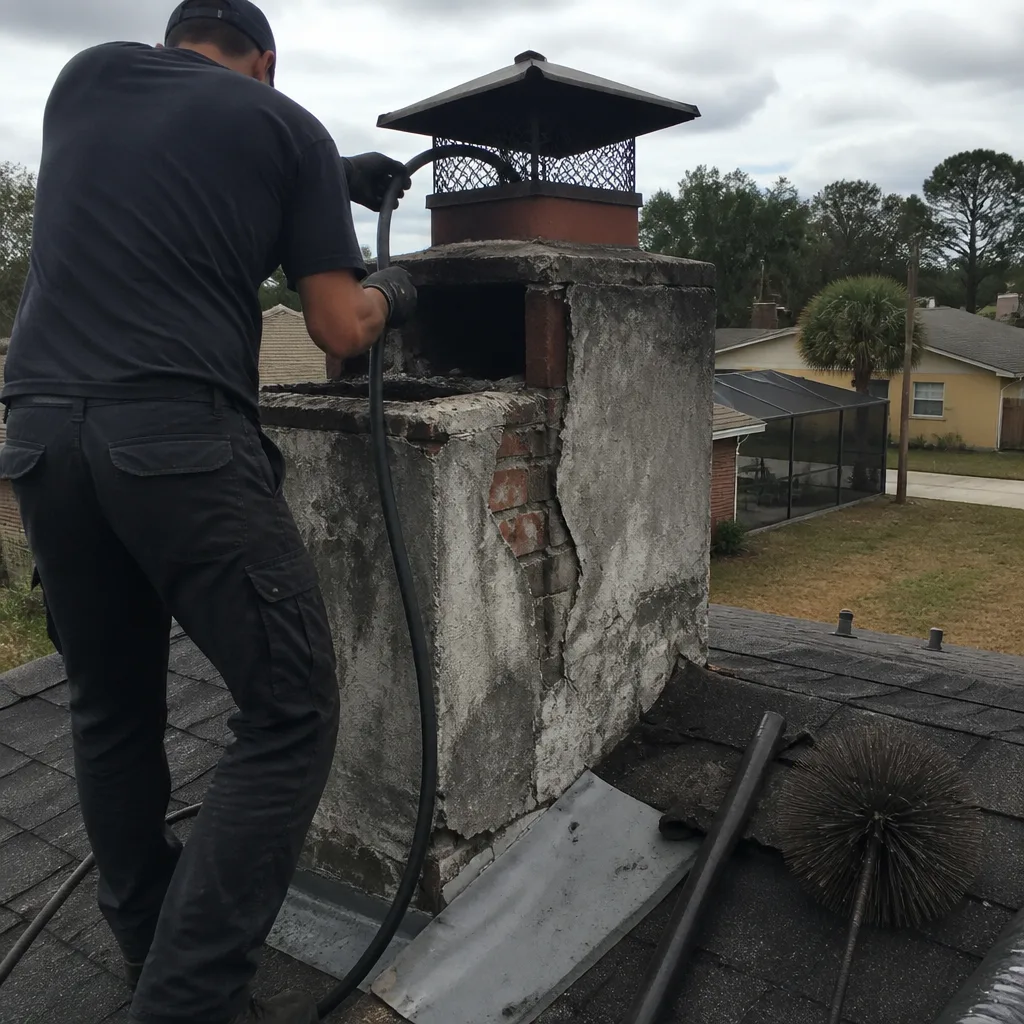 Before
 After
After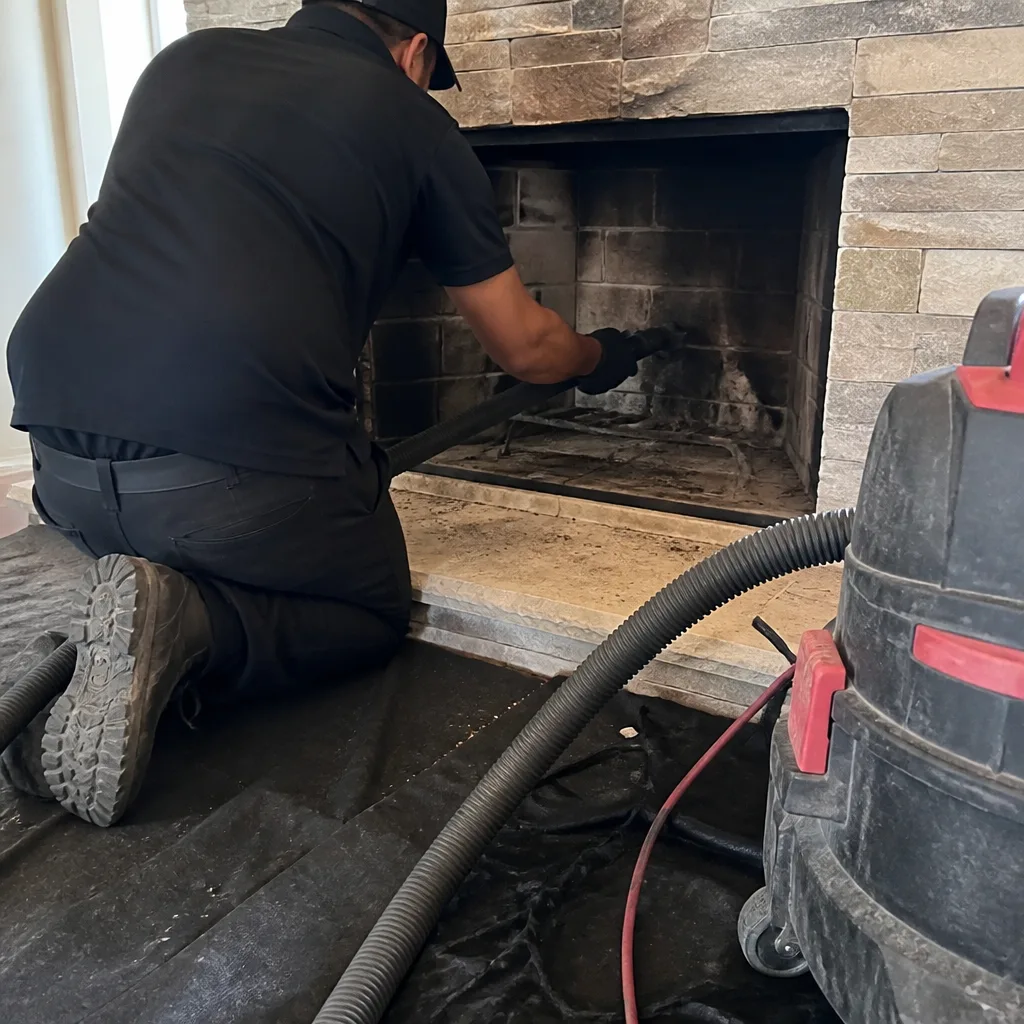 Before
 After
AfterWhen to Call a Professional
Call a professional chimney sweep in Orlando if you haven’t had a cleaning in over a year, if you hear animals in the chimney, if you see water staining on the ceiling or walls near the fireplace, if you smell smoke in the house after a fire has burned for 20 minutes, or if you’re buying a home with a fireplace and want it checked before closing. You should also call if you’ve had a chimney fire, even a small one that burned itself out, because the liner may be compromised and a Level 2 camera inspection is the only way to know. If any of these apply to you, Hadley Chimney Orlando offers free estimates in Orlando and the surrounding area. Call (904) 822-8172 and a live person will answer, day or night.
Frequently Asked Questions
A standard chimney sweep with a Level 1 inspection in Orlando costs between $149 and $229 as of 2026, while a sweep with a Level 2 camera inspection runs $249 to $389. The exact price depends on chimney height, roof accessibility, and how much creosote has accumulated. Add-ons like heavy creosote removal or cap installation increase the total. Call (904) 822-8172 for an exact quote based on your home, estimates are free.
You should have your chimney swept and inspected once a year, even if you rarely burn, because Orlando’s humidity, rain, and wildlife create hazards that dormancy worsens. If you burn more than twice a week during the winter months, consider a mid-season check as well. For a month-by-month maintenance plan, see our Seasonal Chimney Cleaning Care for Orlando: Year-Round Homeowner’s Guide.
Not necessarily, and you should never accept a liner recommendation without seeing camera evidence of the crack or deterioration. Small surface cracks can be treated with a ceramic repair compound like HeatShield, which restores the liner’s integrity at a fraction of replacement cost. Full replacement with a DuraFlex stainless steel system is needed only when the liner is significantly compromised. Ask to see the photos before you decide.
Several things, none of them good. Creosote accumulates and can ignite, causing a chimney fire that damages the liner and potentially spreads to the house. Water intrusion through a failing cap or cracked mortar accelerates structural decay. Animals often move in during the off-season, and a raccoon nest or dead squirrel in your flue makes the chimney unsafe and your house smell terrible. The repair bill after three years of neglect is typically far higher than three years of scheduled cleanings. Call us to get back on track, the first inspection will show you exactly what you’re dealing with.
A sweep is the physical removal of creosote, soot, and debris from the flue and firebox. An inspection is the visual assessment of the chimney’s structural and functional condition. They’re done together on most visits: the technician sweeps first, then inspects the clean surfaces, because you can’t properly assess a flue that’s coated in soot. A Level 2 inspection adds a video camera scan for a complete view of the flue interior.
It depends on the species. A raccoon can be removed any time, and you don’t want to wait because nests are flammable and droppings carry parasites. Chimney swifts are protected by federal law and cannot be disturbed during nesting season (roughly March through August in Orlando), so removal must wait until the birds leave. The solution either way is the same: after removal, install a proper chimney cap to prevent the next animal from moving in. Call (904) 822-8172 and describe what you’re hearing, we’ll tell you what you’re dealing with and whether it can be addressed now.
Common Questions About Gas Fireplace Chimneys in Orlando
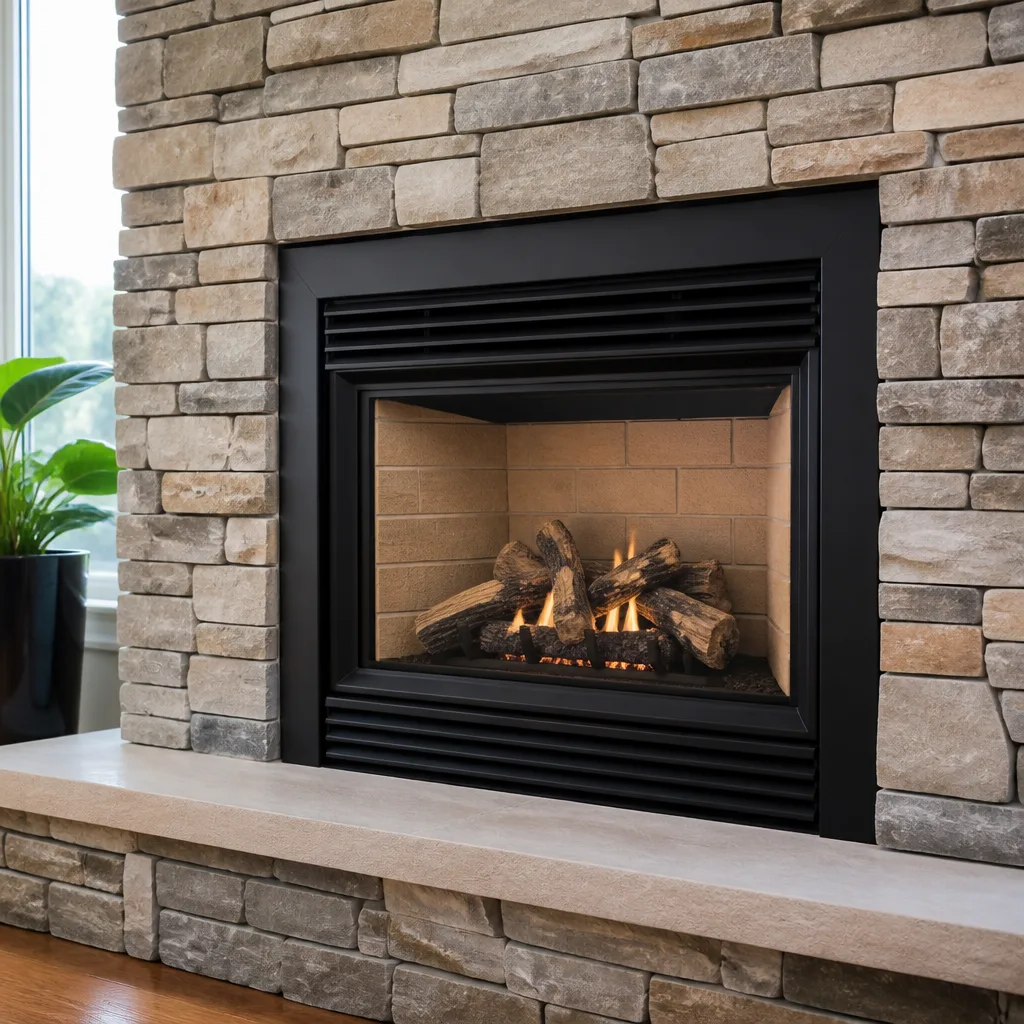
A lot of Orlando homes have converted wood fireplaces to gas or have pre-fabricated gas fireplace units. These need different care than traditional masonry chimneys. Gas fireplaces don’t produce creosote, but they do produce acidic condensation that damages flue liners over time. If your gas fireplace vents through the roof, that vent pipe still needs to be checked for blockages, wasp nests, and proper draft. And if your gas logs are looking tired or the pilot light won’t stay lit, that’s a separate specialty. Our team handles Gas Fireplace Repair in Orlando as well, so one call covers both the chimney and the appliance.
The Bottom Line
Chimney cleaning in Orlando is not a luxury or an upsell. It’s a maintenance requirement that matters more here than in colder climates, because humidity and wildlife fill the gap that infrequent burning leaves open. For more guides & resources on keeping your chimney safe, visit our blog. A proper annual sweep with photo documentation catches problems when they’re cheap to fix, not after a liner has cracked or an animal has turned your flue into a nest. Expect to pay between $149 and $389 depending on the inspection level, demand a written price before work starts, and insist on seeing photos of what was found and removed. If you’re in Orlando and you can’t remember the last time your chimney was checked, call Hadley Chimney Orlando at (904) 822-8172. Cory and the team will get it done right, show you the proof, and stand behind the work with a written guarantee for 365 days.
Written by Cory Mitchell, Owner at Hadley Chimney Orlando, serving Orlando since 2003.