
Last updated October 15, 2026
 Sweep & inspection
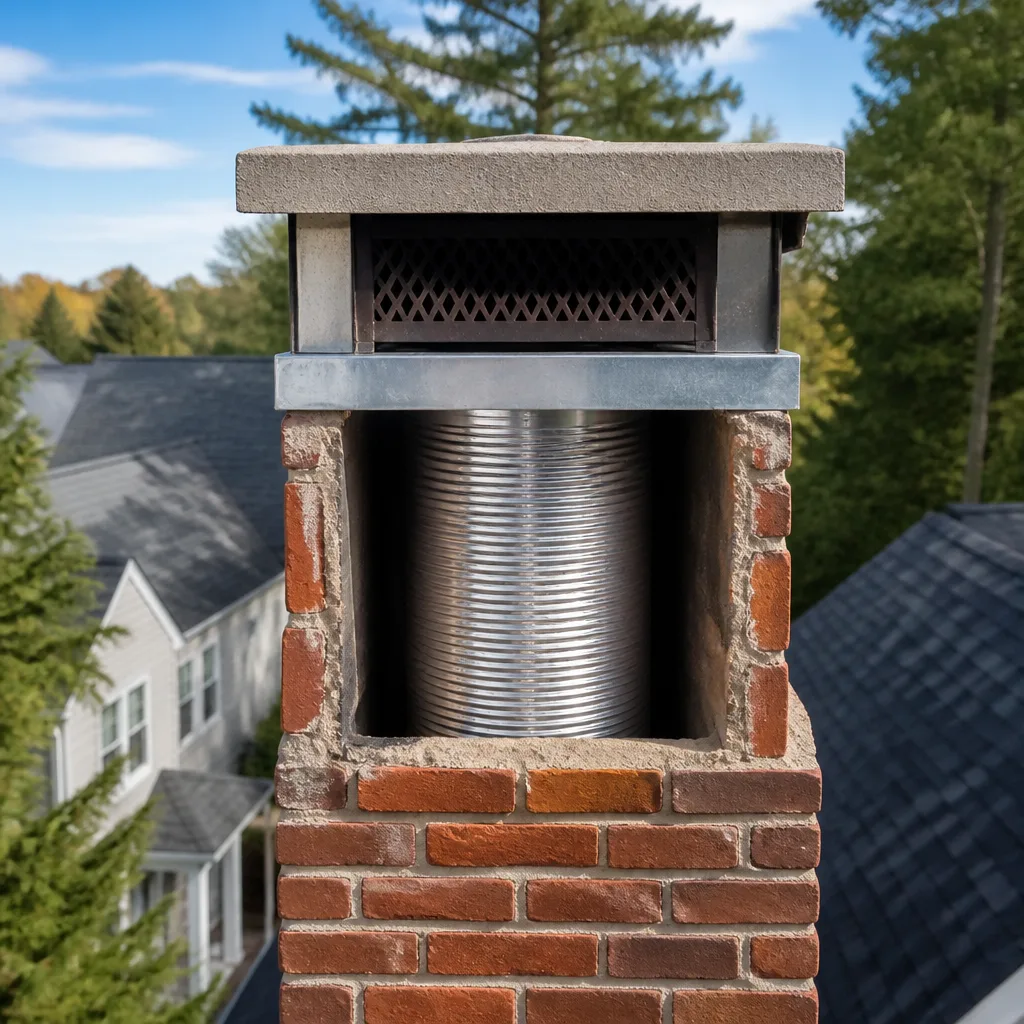 Flue relining
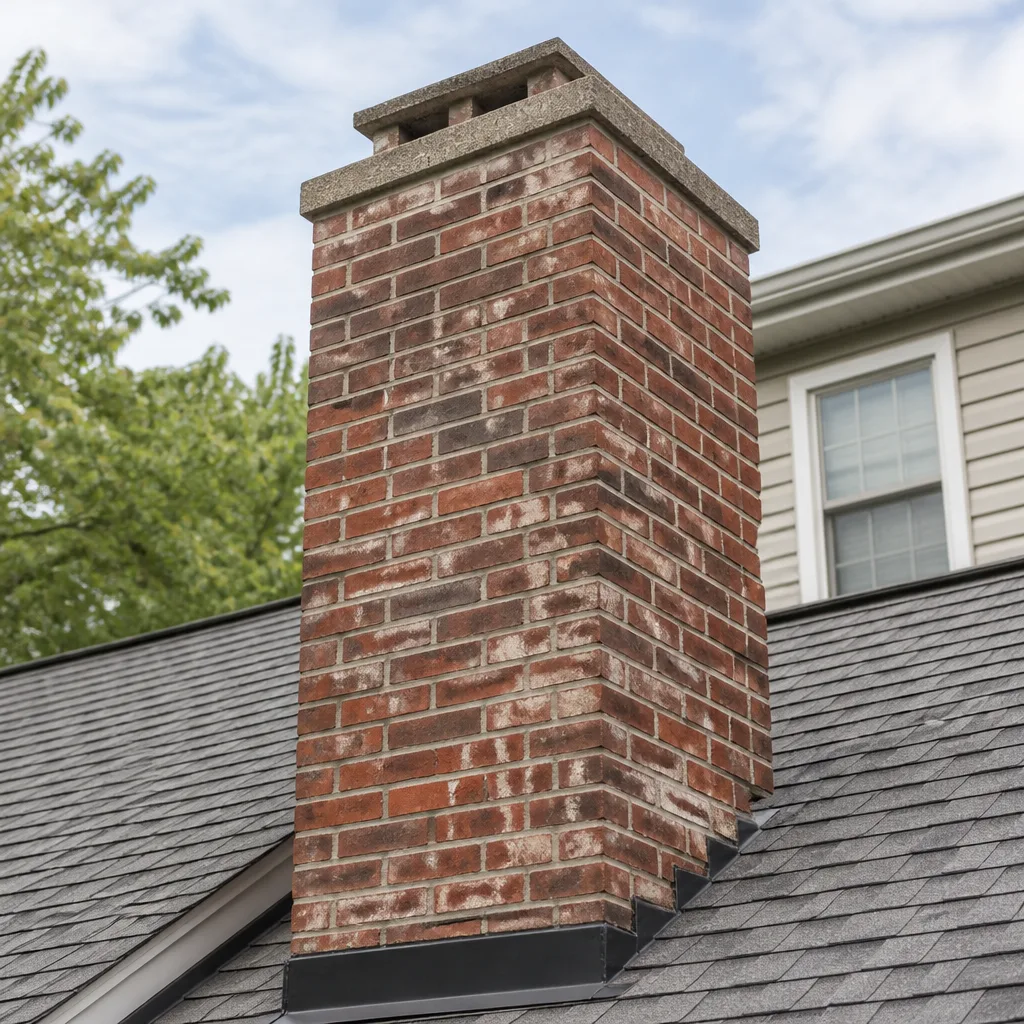 Masonry repair
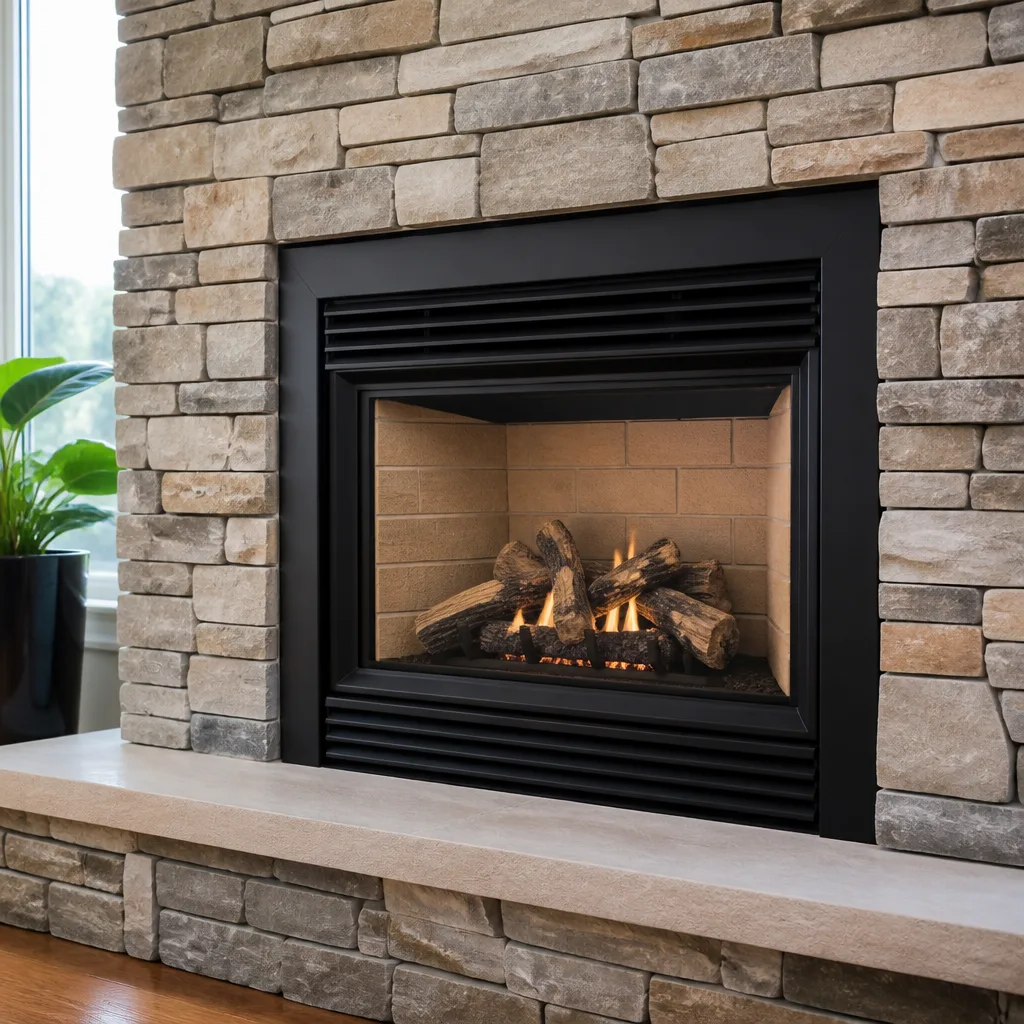 Gas fireplace service
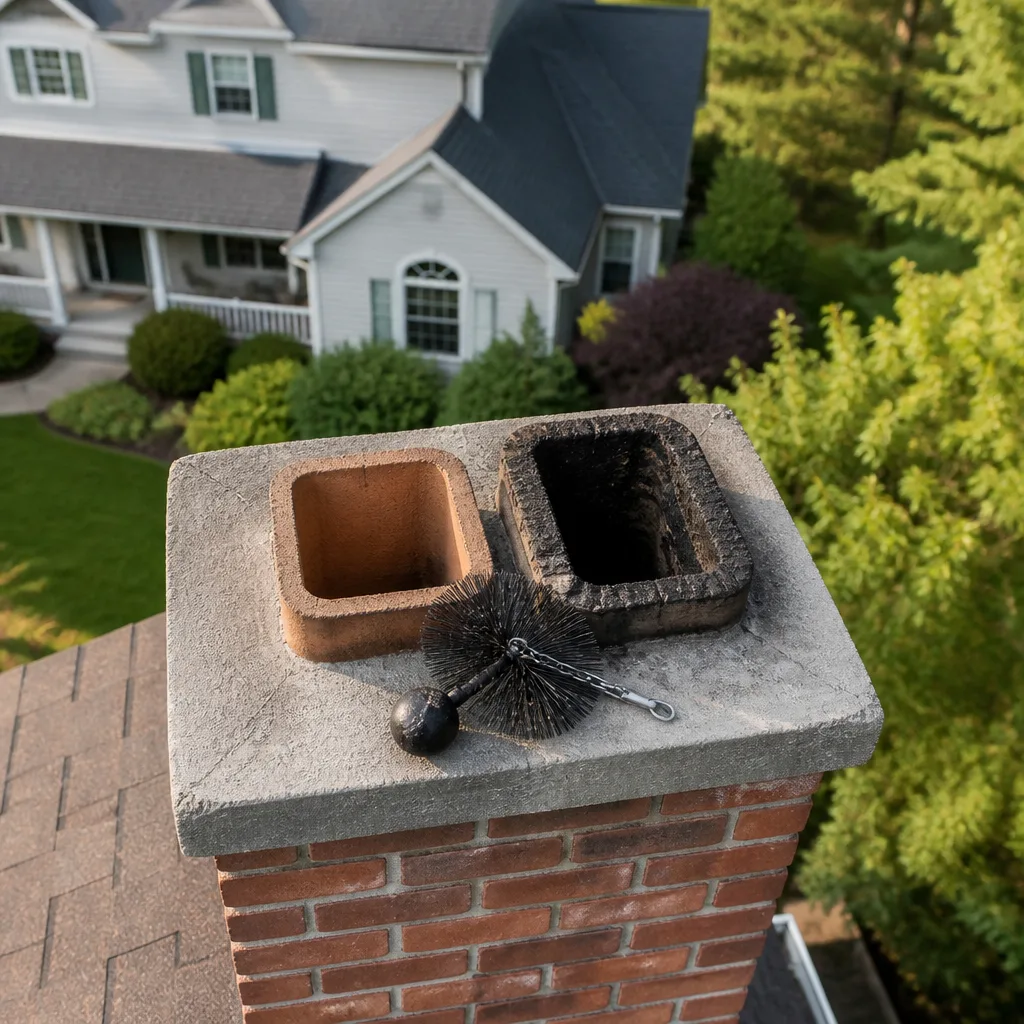
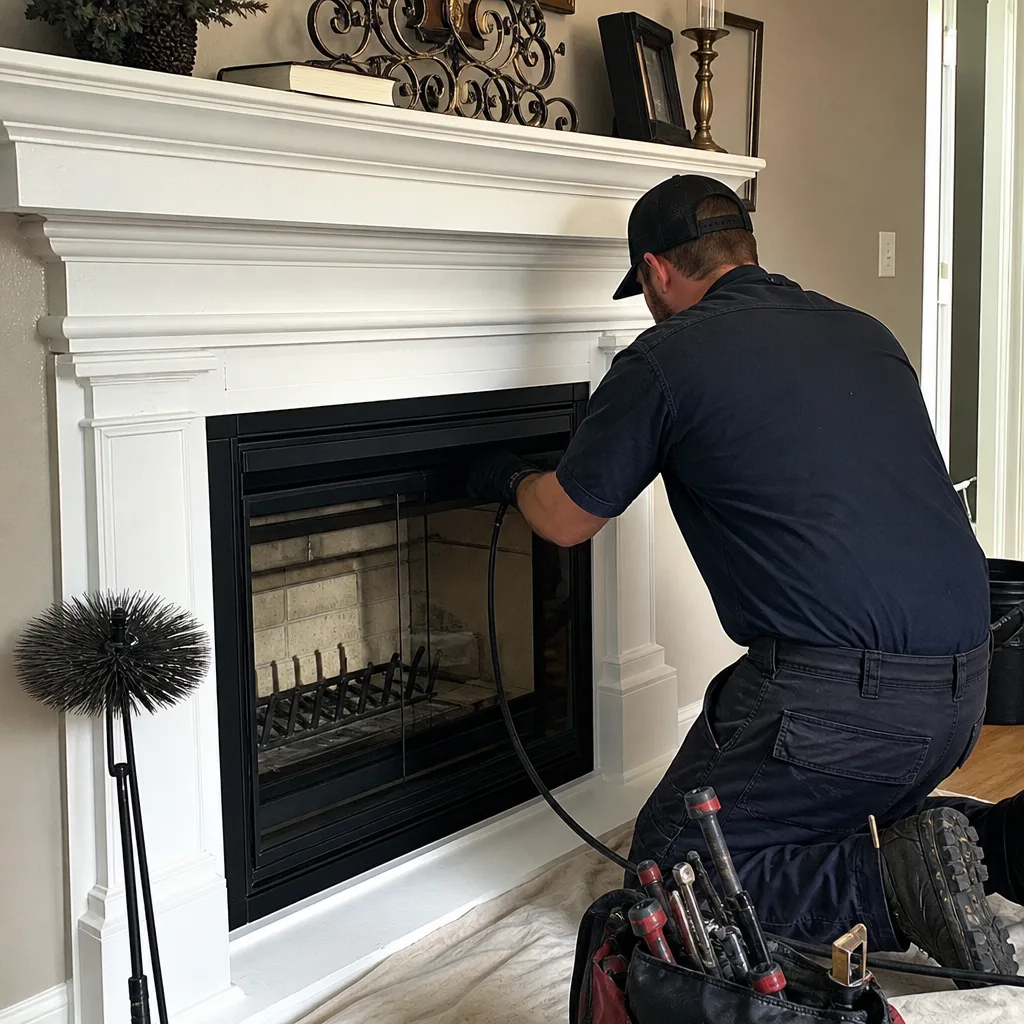
Level 1 sweep and inspection to the NFPA 211 annual standard - flue, crown, cap, and flashing checked and photographed
Chimney sweep logs do not sweep chimneys. They loosen some creosote - which then falls where a brush and vacuum still have to collect it.
Seasonal Chimney Cleaning Care for Orlando: Year-Round Homeowner’s Guide
The most damaging thing that can happen to an Orlando chimney happens in August. Not from fire, not from neglect exactly, but from six months of 90-percent humidity pressing against a masonry structure that hasn’t been touched since February. Central Florida homeowners tend to think of chimney maintenance as a winter chore because that’s when the fireplace gets used. But in Orlando, the season when your chimney is actually at greatest risk is the long, wet stretch when nobody is thinking about it at all. This guide maps out the four distinct Florida chimney phases, what happens to your chimney in each one, what to check, when to schedule a sweep, and why the months you’re not burning are the ones that demand the most attention. For chimney cleaning warning signs every Orlando homeowner should know, see our dedicated reference guide.
Styles & brands we work with
Quick Answer
In Orlando, chimney care follows four Florida-specific phases rather than traditional fall/winter cycles: post-burn closeout (March through April), rainy and hurricane season (May through October), the pre-burn inspection window (September through October), and the active burn season (November through February). The most important action is scheduling a certified sweep and inspection in the September-to-October window, before you light the first fire, because creosote buildup from the previous season combined with summer moisture creates the conditions for accelerated liner deterioration. Throughout the rest of the year, the key tasks are keeping water out, checking for animal entry after storms, and confirming your chimney cap and damper are doing their jobs.
Table of Contents
- Why Orlando’s Chimney Seasons Look Nothing Like the Northeast’s
- Phase One: Post-Burn Closeout (March through April)
- Phase Two: Rainy and Hurricane Season (May through October)
- Phase Three: The Pre-Burn Inspection Window (September through October)
- Phase Four: Active Burn Season (November through February)
- What to Check After a Named Storm Passes Over Your House
- Why Chimney Caps and Dampers Matter More in Orlando Than They Do in Minneapolis
- What Seasonal Chimney Care Actually Costs in Orlando
- Common Mistakes to Avoid
- When to Call a Professional
- Frequently Asked Questions
- The Bottom Line
Why Orlando’s Chimney Seasons Look Nothing Like the Northeast’s
Chimney advice on the internet is written for houses in Massachusetts and Michigan. It assumes a burn season that runs from October to April, freeze-thaw cycles that crack masonry, and a summer when the chimney simply rests. Orlando doesn’t work that way. Our burn window is short, typically November through February, with plenty of nights where the fireplace stays cold because it’s 68 degrees outside. The real threat window runs from May through October, when heat, humidity, and hurricane-driven rain work on the chimney every single day, even though no fire has been lit in months.
We’ve been doing chimney sweeps in Orlando since 2003, and the pattern we see is consistent. Homeowners who only think about their chimney when they light the first fire in November are reacting to problems that actually started forming in June. By the time the weather cools down, the damage has had five or six months to compound. The homeowners who stay ahead of things are the ones who treat chimney care as a year-round, weather-driven calendar rather than a “before winter” checklist. Here are the four phases and what each one demands.
Quick Answer: Orlando’s chimney year breaks into four phases: post-burn closeout (March-April), rainy/hurricane season (May-October), pre-burn inspection (September-October), and active burn season (November-February). The off-season months require more monitoring, not less, because moisture is doing its worst work while you’re not looking.
Phase One: Post-Burn Closeout (March through April)
When you light your last fire of the season, usually sometime in February or early March in Orlando, the fireplace isn’t finished with you. The creosote (the flammable tar residue that condenses on the flue walls when smoke cools) left behind from a season of burning doesn’t just sit there inertly. It’s acidic. In the presence of moisture, it accelerates corrosion of the flue liner, whether that liner is clay tile or stainless steel. And Orlando’s spring, with its regular rain and climbing humidity, provides plenty of moisture.
A proper post-burn closeout does three things. Here’s the step-by-step, in order:
- Sweep the flue before the humid months arrive. You want that creosote out of the chimney while it’s still dry and flaky, before moisture turns it into a sticky, corrosive paste. A spring sweep means you’re not starting the next burn season with last year’s buildup already baked in. If you skipped the fall sweep last year, the spring sweep is non-negotiable.
- Check the damper and close it properly. A damper left open all summer is an open invitation: humid air circulates through the flue, accelerating liner wear, and animals find their way in. A damper that won’t fully close, or that’s rusted in place, needs to be addressed before the rainy season starts in earnest. If the damper doesn’t seat well, a top-sealing damper is worth considering.
- Inspect the chimney cap. If you don’t have one, the spring closeout is the time to add one. If you do have one, check the mesh for rust holes or separation from the crown. Birds, squirrels, and raccoons can get through an opening the size of a quarter, and Orlando’s animal population doesn’t take the summer off.
In our experience, the homeowners who handle the spring closeout have fewer emergency calls in October and November. The ones who skip it are usually calling us because water is staining the ceiling around the chimney chase or because a family of raccoons has set up housekeeping in the flue. The spring work is cheap insurance against much more expensive summer damage.
Phase Two: Rainy and Hurricane Season (May through October)
This is the season, more than any other, that separates Orlando chimney care from chimney care in drier climates. From May through October, we routinely see humidity above 80 percent and afternoon thunderstorms that dump an inch of rain in an hour. Hurricane season overlaps all of it. Your chimney is a vertical masonry shaft with a hole at the top and another hole at the bottom (the fireplace opening), and it’s exposed to all of it.
What actually happens to a chimney during a Florida summer? A few specific mechanisms:
Moisture enters the masonry. Brick and mortar are porous, and in a high-humidity environment they absorb water directly from the air, not just from rain. That water expands and contracts with temperature swings, which in Orlando can mean 25 degrees between the overnight low and the afternoon high. Over a single summer of daily cycles, micro-cracks form and widen. Sealing the exterior masonry with a breathable water repellent is a standard prevention step, but it has to be reapplied every few years, and it’s a job for a professional who knows which products work in Florida’s humidity without trapping moisture inside the brick.
Rain enters the flue directly. An open or damaged damper, a missing chimney cap, or a cracked chimney crown lets rainwater run down the flue liner. That water pools at the smoke shelf or drips into the firebox, where it makes the whole house smell like wet ash. Repeated wetting and drying of the firebrick inside the firebox causes spalling (the surface flaking off), which weakens the firebox over time.
The more you know about what’s happening up there, the better positioned you are to catch problems early. We tell every Orlando homeowner the same thing: the months you’re not using your fireplace are when the chimney is under the most physical stress. Regular visual checks, from the ground and from inside, take five minutes and catch 90 percent of problems before they become repair bills.
Phase Three: The Pre-Burn Inspection Window (September through October)
Here’s what most Orlando homeowners don’t realize: the optimal window for an annual chimney sweep and inspection in Central Florida is September to October, and it’s surprisingly hard to book. For a detailed Chimney Cleaning Cost Breakdown: The Orlando Homeowner’s Reference for 2026, see our pricing guide. The problem is that everyone has the same idea at the same time. The first cold snap of November triggers a wave of calls from homeowners who suddenly want the fireplace going that weekend, and by then, the good scheduling slots have been filled for weeks.
Why September and October specifically? Because they sit in the sweet spot. Hurricane season is winding down (though not over, especially in September), the worst of the summer heat has passed, and you’re still weeks away from the first evening where a fire sounds good. A sweep in this window means:
- The flue is clean and ready before the first burn. You’re not testing your smoke detectors with a season’s worth of cobwebs and creosote on the first fire.
- Any summer moisture damage has been found and assessed. A cracked crown, a rusted damper, or spalling brick from the rainy season gets caught now, not on the first cold night when you’re already smelling smoke in the living room.
- Animal nests are removed before you find out about them by smoke backing up into the house. Birds and squirrels build nests in chimneys all summer, and a nest above the damper makes for a memorable first fire if it hasn’t been cleared.
- The inspection happens under good working conditions. Roof work in Florida in September is doable. Roof work in July is miserable, and roof work in a November rain is dangerous. The weather cooperates better in the fall shoulder season.
If you’re reading this in August, call now. Seriously. If you’re reading this in October and haven’t booked, call now and take whatever slot is available. The alternative, which we see every year, is a homeowner who lights the first fire with a chimney that’s been sitting wet and un-inspected for eight months, and discovers a problem the hard way.
Phase Four: Active Burn Season (November through February)
Orlando’s burn season is short compared to the Northeast, but it’s real. From November through February, we get enough cool nights to justify regular fires, and holiday gatherings mean the fireplace becomes the center of the living room. A few things matter during this window:
Burn the right wood. The single biggest variable in how much creosote you produce is the moisture content of your firewood. Seasoned hardwood, properly dried for at least six months to a year, burns hot and produces less creosote. Green or wet wood smolders, and smoldering is creosote’s best friend. In Orlando’s humidity, firewood stored outside without good airflow never really dries out. Keep your wood off the ground, covered on top but open on the sides, and split it to expose the interior to air.
Don’t take burned-off moisture for granted. Even during active use, a fireplace chimney in Orlando absorbs moisture from the outside air. The contrast between cold rain on the exterior masonry and the heat from a fire on the interior creates stress. If you see water staining around the chimney chase during burn season, it’s not a coincidence. It’s the chimney telling you something is failing.
Watch the damper and cap through winter. The cap keeps rain out while the fire is dormant, but it’s also protecting the flue during burn season. A missing or damaged cap during a January rainstorm means water hitting a hot flue liner, and rapid temperature changes like that are how clay tile liners crack. If you notice water in the firebox after rain, even if you’ve been burning regularly, get it checked.
Plan the post-burn closeout before the season ends. When you notice you’re not using the fireplace much in late February and March, that’s the signal to schedule the spring sweep, not to forget about the chimney until the next cold snap. The closeout tasks in Phase One are where the cycle starts over.
What to Check After a Named Storm Passes Over Your House
Hurricane season in Orlando runs from June through November, with September being the statistical peak. After a named storm passes over or near your house, even one that doesn’t cause obvious damage, there’s a chimney-specific checklist worth doing before you light the next fire. None of these checks require getting on the roof:
- From the ground, look at the cap and crown. A pair of binoculars helps. You’re looking for: the cap is still sitting level, the mesh isn’t dented or blown loose, and there’s no visible gap between the cap and the crown. High winds can loosen caps, and a loose cap bangs against the flue in the wind, chipping the crown.
- Inside, open the damper and shine a flashlight up. You’re looking for daylight (good, the flue is clear) and for any debris that wasn’t there before: leaves, twigs, roofing granules, pieces of the cap mesh. If you see debris, don’t try to retrieve it yourself. Call someone who can pull it out and check for blockages.
- Check the firebox for water or damp ash. If water got in during the storm, it leaves a mark: a waterline on the firebrick, dark staining, or the smell of wet ash. Some water entry is from rain driven directly into the flue during the storm, which isn’t necessarily a structural problem. But repeated water entry means a cap or crown issue that needs addressing.
- Look at the ceiling around the chimney chase. Water stains on the drywall or ceiling near where the chimney passes through the house are a sign that water is getting past the flashing (the metal seal where the chimney meets the roof). Flashing damage often goes unnoticed from the ground, but it’s one of the most common post-storm chimney problems in Florida.
- If anything looks off, schedule an inspection before the next burn. Even if nothing looks off, if the storm was significant and you know the house took a beating, a professional chimney inspection is the responsible call. It’s the difference between catching a $400 flashing repair and a $4,000 water damage remediation.
We’ve walked through this checklist with hundreds of Orlando homeowners after storms like Ian and Nicole. The ones who take the ten minutes to look usually catch problems at a stage where they’re easy to fix. The ones who discover the problem by lighting the first fire of the year usually have a much bigger project on their hands.
Why Chimney Caps and Dampers Matter More in Orlando Than They Do in Minneapolis
The conventional chimney advice from northern climates prioritizes caps and dampers for cold-weather reasons: keeping heated air from escaping, blocking downdrafts, preventing snow from sitting in the flue. Orlando has a different calculation. Here, the cap and damper are your first and second line of defense against a six-month moisture assault that never really stops.
A chimney cap is a metal cover with mesh sides that sits on top of the flue. It does three jobs in Orlando’s climate: it stops rain from falling directly down the flue, it blocks animals from nesting (Orlando’s squirrel and bird population is active year-round), and its mesh acts as a spark arrestor, keeping embers from landing on the roof. Without a cap, rain water enters the flue directly. That water runs down the liner, soaks into whatever creosote is there, and creates an acidic slurry that eats at the liner material all year long. The water eventually makes its way to the smoke shelf and damp area, where it corrodes the damper mechanism and creates the musty odor that nobody can quite place in July.
A damper, especially a top-sealing damper, serves a different purpose in Orlando than it does in Boston. In Boston, the damper holds heat in the house. In Orlando, the damper is holding humidity out. When the damper is open or failing, humid outdoor air circulates through the flue continuously. That air, with its 80-plus percent relative humidity, condenses on the cooler surfaces inside the chimney. The condensation soaks into the creosote and the masonry, accelerates corrosion, and provides the moisture that mold needs to grow inside the chimney chase. The mold growth in turn degrades the wood framing around the chimney, and now you have a structural problem, not just a fireplace problem.
Dampers fail in predictable ways: the handle gets stuck, the metal warps from heat, the hinges rust through. In a climate as humid as Orlando’s, rust is the most common failure mode, and it’s worse for dampers that are left open or partially open through the summer. The fix is often a replacement, and the two main options are a traditional throat damper (mounted just above the firebox) or a top-sealing damper (mounted at the top of the flue, sealing the chimney like a bottle cap). Top-sealing dampers are more weather-tight and last longer in Florida’s climate, though they’re pricier to install. It’s a conversation worth having with a professional who can show you the condition of your existing damper and explain the tradeoffs.
When we install caps and dampers, we use materials from manufacturers like Famco and Olympia Chimney, which are built for exactly this kind of high-moisture, high-corrosion environment. The part cost difference between a bargain cap and a properly sealed, stainless steel unit is a small fraction of what a corroded damper and water-damaged chimney chase costs to repair.
What Seasonal Chimney Care Actually Costs in Orlando
One of the things homeowners tell us constantly is that they put off chimney work because they don’t know what it’ll cost and they’re afraid of the answer. So let’s talk in actual numbers. Here are realistic ranges for the Orlando market, based on the work we do and the prices we see across the region:
| Service | Typical Orlando Range | What Affects the Price |
|---|---|---|
| Standard chimney sweep (inspection included) | $180 – $340 | Flue height, creosote buildup level, accessibility |
| Chimney cap installation | $225 – $500 | Cap material and size, flue diameter, roof access |
| Top-sealing damper replacement | $400 – $750 | Flue size, existing damper condition, access |
| Chimney crown repair (minor cracks) | $250 – $550 | Crack severity, crown material, whether a new cap is needed |
| Flashing repair or replacement | $300 – $800 | Flashing type, roof pitch, single vs. multi-flue |
| Masonry water repellent application | $300 – $600 | Chimney height, brick condition, prep work needed |
These are single-service ranges, not bundles. A spring closeout that includes a sweep, cap installation, and minor crown repair might run $600 to $1,000 all-in, depending on the specifics. Compare that to the alternative: a chimney liner replacement after years of moisture damage runs $3,000 to $6,000 or more, and a full chase rebuild goes higher still. The seasonal maintenance math, especially in Orlando’s climate, favors the small regular investments every time.
One thing worth knowing: the price you’re quoted should be the price you pay. At Hadley Chimney Orlando, every job comes with a written price before any work starts. No technician shows up and “discovers” a problem that doubles the bill. You know the number, you approve the work, and the invoice matches what was written. That’s how it should work, and it’s part of The Relay Visibility Guarantee we operate under, along with live arrival tracking and before-and-after photo documentation on every visit. If a company won’t give you a written price upfront, in Orlando or anywhere else, that’s a reason to call someone else.
Common Mistakes to Avoid
- Treating the chimney as a “winter appliance.” In Orlando, this is the biggest mistake by far. An August chimney sitting in humidity for six months is doing more cumulative damage than a February chimney seeing daily use. The off-season is when the structure suffers, and ignoring it for nine months a year is how small problems become expensive ones.
- Skipping the pre-season inspection because “we barely used the fireplace last year.” The inspection isn’t just about creosote. It’s about what the summer did to the masonry, the damper, the cap, and the liner. A lightly used chimney is still exposed to the weather, still potentially attractive to animals, and still in need of a professional look before the next burn season.
- Leaving the damper open through the summer. This is so common it’s almost a tradition. An open damper means continuous humid air circulation through the flue, which means mold growth, rust, and that musty smell that takes over the living room by September. Close the damper after the last fire of the season, every single time.
- Lighting the first fire of the year without clearing the flue. Birds and squirrels have had seven months to build nests in your chimney. A nest above the damper doesn’t just smoke you out of the living room; it’s an ignition source waiting for the first spark. The September-October sweep exists to catch this before it happens.
- Ignoring water stains around the chimney chase because “it’s just a little condensation.” In Orlando, water stains near the chimney are almost always a flashing or crown issue. Condensation doesn’t leave water marks on drywall. What you’re seeing is rainwater finding a path into the house, and it will keep finding it until someone fixes the seal.
- DIYing a chimney repair after watching a video. We understand the impulse, and there are genuinely simple home maintenance tasks anyone can do. Chimney work on a roof isn’t one of them. The fall risk alone is reason enough to call a professional, and Florida roof pitches and tile roofs make the work more dangerous than the videos suggest. Some things are worth the service call.
- Booking a sweep in November and being surprised when there’s a two-week wait. Every year, the same pattern. September and October are the smart months to book. November is the crowded month. If you’re reading this before the burn season starts, call and schedule now, because the phone starts ringing the first cold night.
When to Call a Professional
Some seasonal chimney tasks are genuinely DIY: closing the damper after the last fire, doing a visual check after a storm, keeping firewood dry and off the ground. But the line worth respecting is the one where you’re on the roof, inside the flue, or making a judgment call about structural safety. A certified sweep in Orlando has the tools to inspect what you can’t see from the ground, the training to spot early signs of liner or flashing deterioration, and the equipment to do the work safely. If you see water staining, hear animal sounds from the chimney, smell smoke backing up into the house, or notice crumbling brick or mortar on the exterior, those are signs that an inspection is overdue. Hadley Chimney Orlando offers free estimates throughout the Orlando area. Call (904) 822-8172 and a live person will answer, day or night, not a voicemail loop.
If you need more than a sweep, chimney repair in Orlando is work we do every week, and every repair includes a written 365-day guarantee: if the repair fails within a year, we come back and make it right at no charge. That guarantee is part of our 365-Day Done Right Promise, and it applies to every repair we do, not just the big ones. Gas fireplace owners should know that gas fireplace repair in Orlando follows the same seasonal logic, with venting and gaskets taking the place of creosote and flue liners, and the same pre-season inspection window applying.
Frequently Asked Questions
Once a year is the standard, and in Orlando the ideal timing is September or October, before the burn season starts. If you burn more than two or three times a week through the winter, or if you burn green or wet wood, twice a year isn’t excessive. The spring sweep after your last fire is an option for heavy users, but for most Orlando homeowners the annual pre-season sweep and inspection is the right rhythm. Call (904) 822-8172 to schedule, and you’ll get a written price before anyone picks up a brush.
A standard chimney sweep in Orlando typically runs between $180 and $340, including the inspection. The price varies with flue height, how much creosote has built up, and how easily the technician can access the roof. Some companies quote low to get the appointment and then add charges once they’re on site. Hadley Chimney Orlando gives you a written price before any work starts, and that number doesn’t change unless you approve additional work in writing first.
Yes, and it’s not about the fire volume. In Orlando, the sweep is also the inspection, and the inspection is what catches moisture damage, animal nests, cap failures, and damper corrosion, all of which happen whether or not you burn regularly. A rarely used fireplace can actually be worse in some ways, because problems accumulate unseen for longer. The sweep clears whatever is there and the inspection tells you what the summer did to the structure.
Creosote builds up in the flue, and creosote is flammable. A thick enough layer can fuel a chimney fire that reaches temperatures over 2,000 degrees, cracking the liner and endangering the house. Even without a fire, accumulated creosote and moisture create a corrosive environment that eats at the liner. Add in Florida’s humidity and a likely animal nest or two, and the chimney that would have cost $250 to clean now needs $4,000 in liner work. The longer you wait, the more expensive the eventual fix.
September and October are the sweet spot: after the worst of hurricane season, before the first cold snap, and far enough from the November rush that you’ll have scheduling flexibility. Booking in this window gets the chimney clean and inspected before the first burn, which is the whole point. If you’re already into November, call anyway and take the first available slot, because the alternative is burning with an uninspected chimney.
This is the question we hear more than any other, and it’s legitimate. The honest answer: you should never accept a liner recommendation without camera evidence you can see with your own eyes. A video inspection takes minutes and shows you exactly what’s inside the flue: cracks, gaps, spalling, or buildup. If the company says you need a new liner but won’t show you the footage, get a second opinion. Hadley Chimney Orlando uses camera inspection as standard practice, and every repair recommendation comes with photos you keep. If the work can safely wait, we say so. If it can’t, we show you why.
The Bottom Line
Orlando’s chimney calendar doesn’t follow the northern playbook. The work of protecting your chimney happens in the spring closeout and the summer monitoring, not the first cold snap of November. The most preventable problems we see, water damage, animal nests, corroded dampers without exception, started months before they were discovered. A September sweep costs a couple hundred dollars. A February liner replacement costs thousands. The math isn’t complicated. What’s complicated is remembering to think about the chimney during the months when the fireplace is the last thing on your mind. Set the calendar reminders, do the storm checks, close the damper, and book the pre-season sweep before Orlando’s November rush. Then explore more guides & resources to keep your chimney protected year-round. Your chimney, and your ceiling, will thank you.
Written by Cory Mitchell, Owner at Hadley Chimney Orlando, serving Orlando since 2003.
See the difference
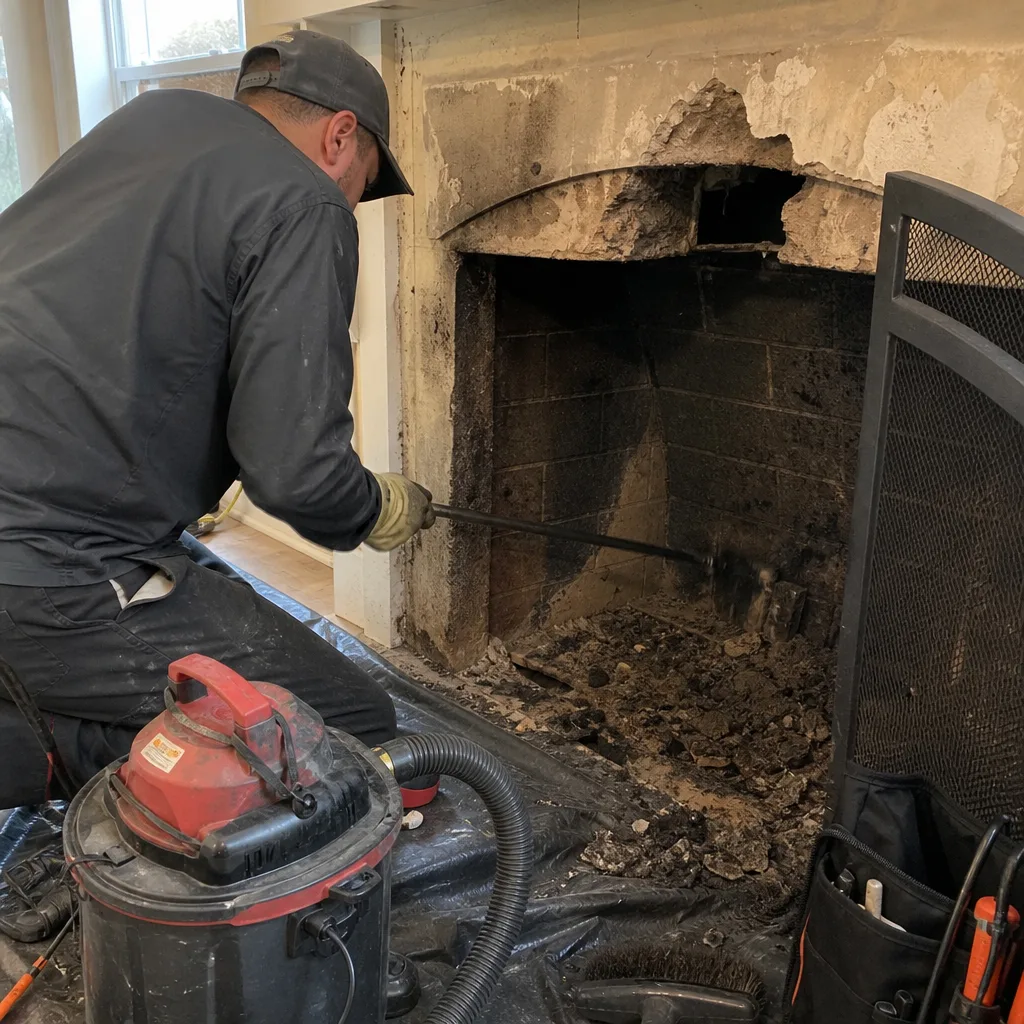 Before
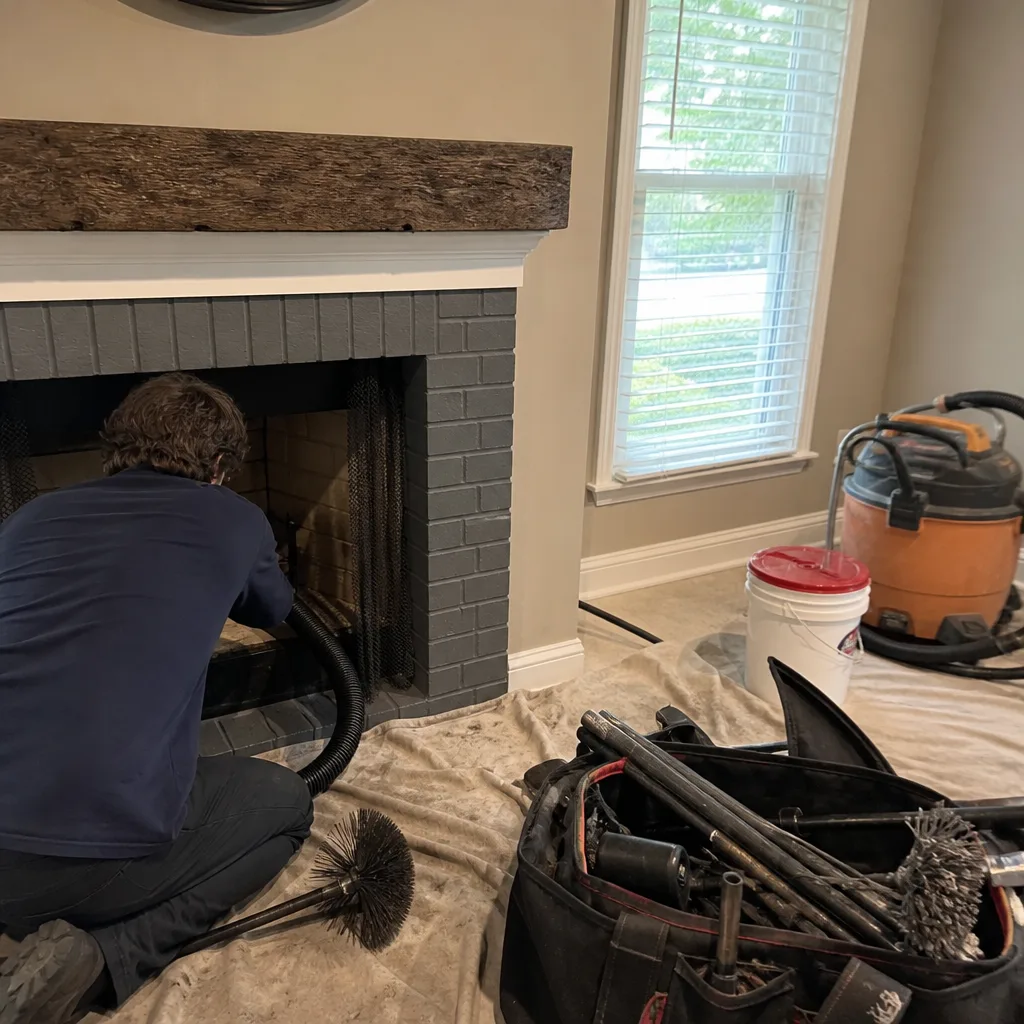 After
After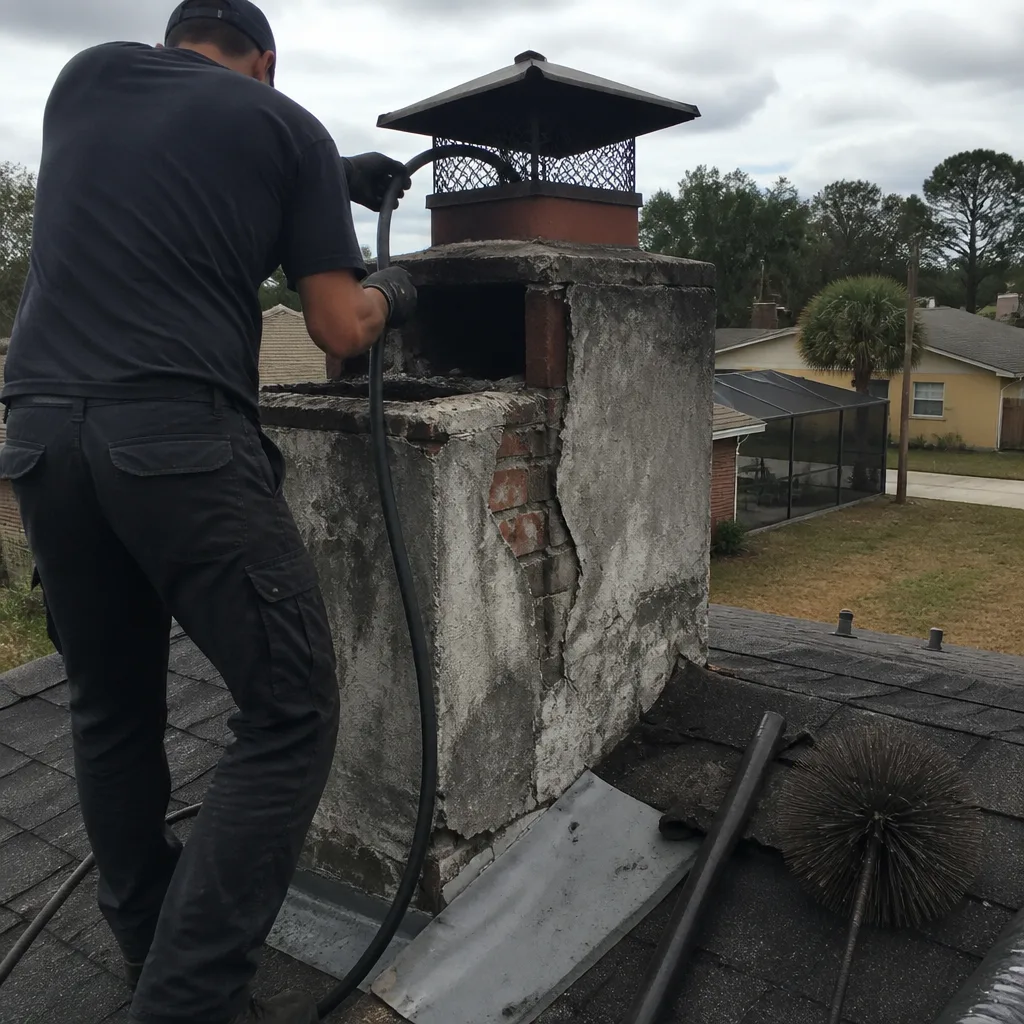 Before
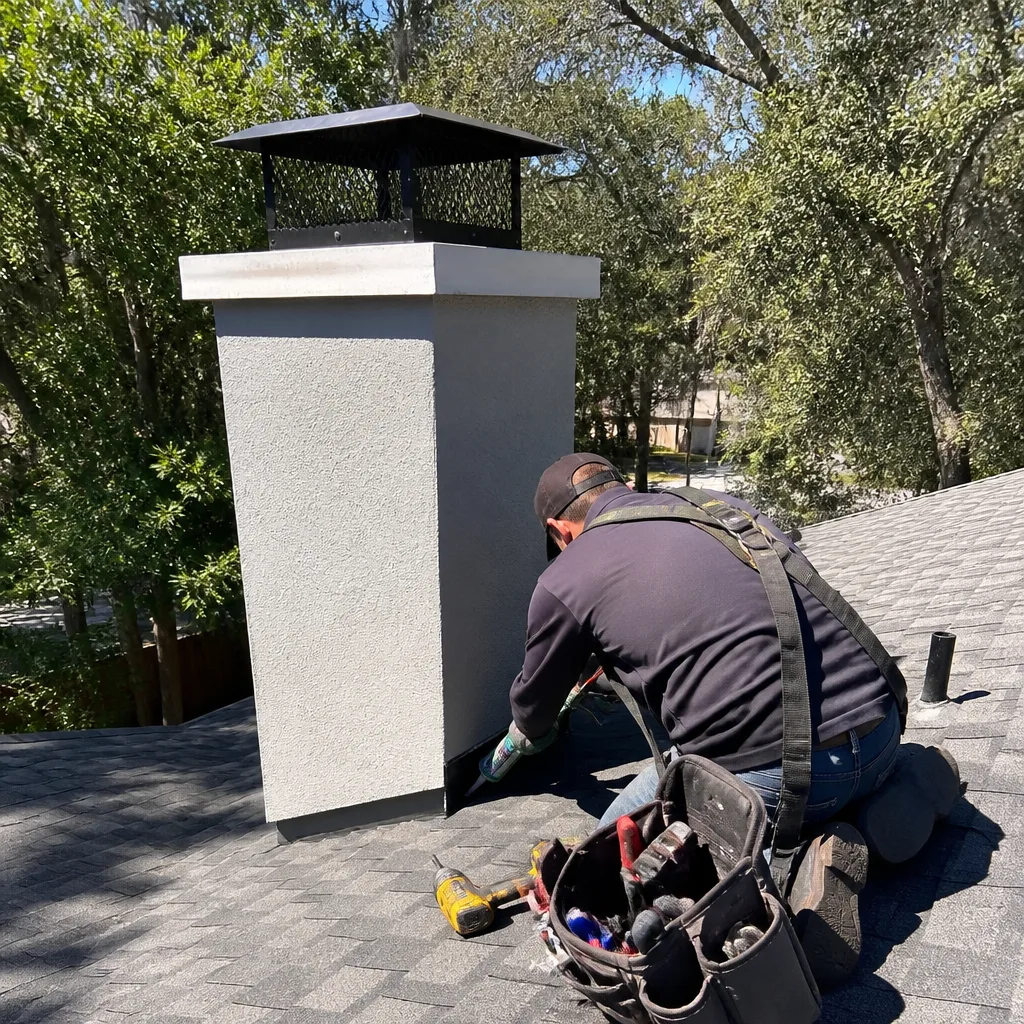 After
After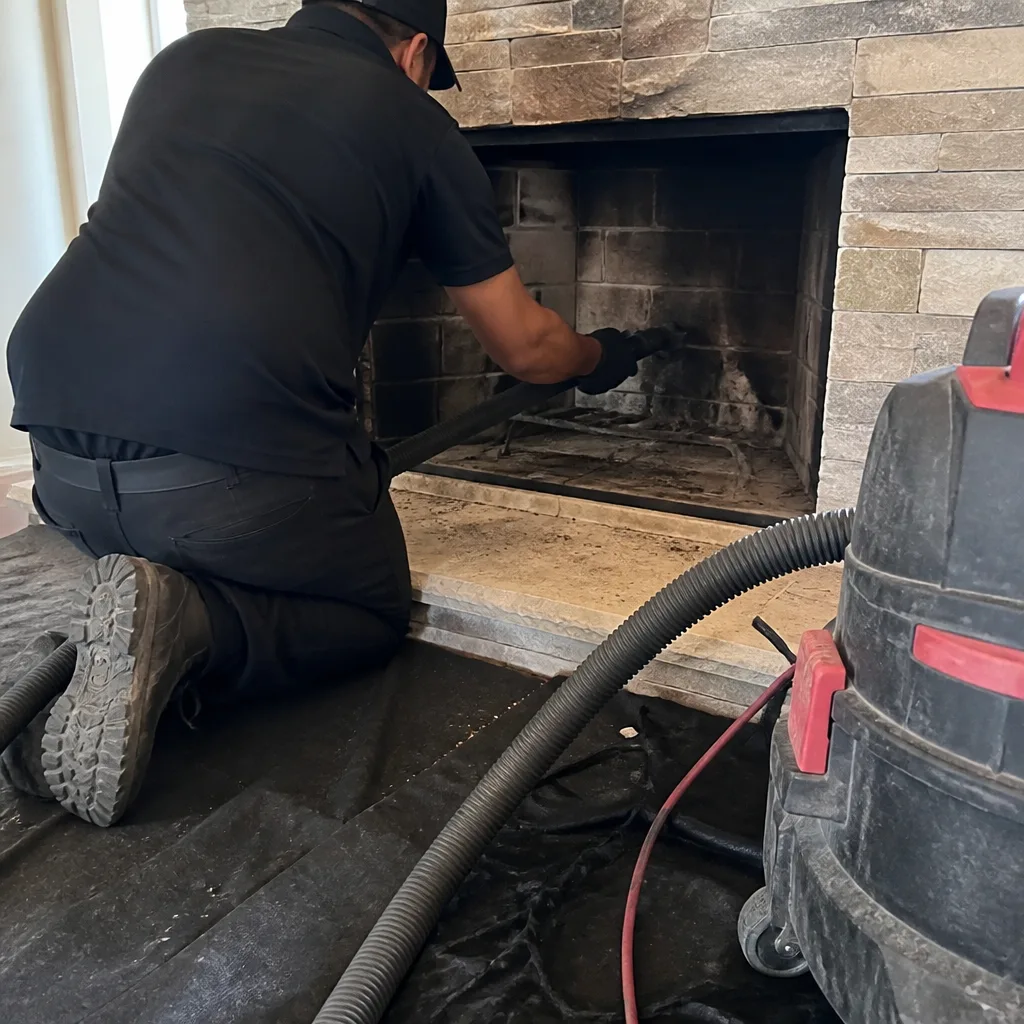 Before
 After
After